 US,
US,  UK
UK  Canada
If fufu is the swallow people talk about most outside Nigeria, eba is the one Nigerians actually eat most often day to day. It’s fast, it’s simple, and it’s made from an ingredient nearly every Nigerian household already has on hand.
What Eba Actually Is
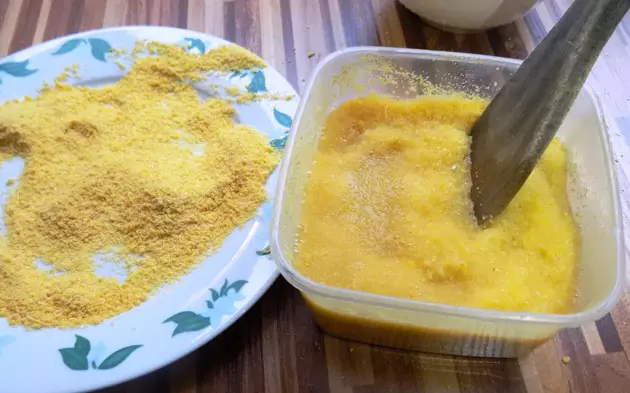
Eba is made by stirring garri (granulated, roasted cassava) into hot or boiling water until it forms a smooth, stretchy dough. That’s genuinely it in terms of ingredients, just garri and water, though the technique of getting the texture right takes a bit of practice. It’s eaten the same way as other swallows, torn into small pieces and used to scoop up soup rather than eaten with a spoon.
Eba vs Fufu: What’s Actually Different
This comparison comes up constantly, and for good reason, since the two often get mentioned in the same breath. Here’s the real distinction:
Eba is made from garri, which is already processed, dried, and roasted cassava. Making eba is quick, just stirring garri into hot water, ready in a couple of minutes.
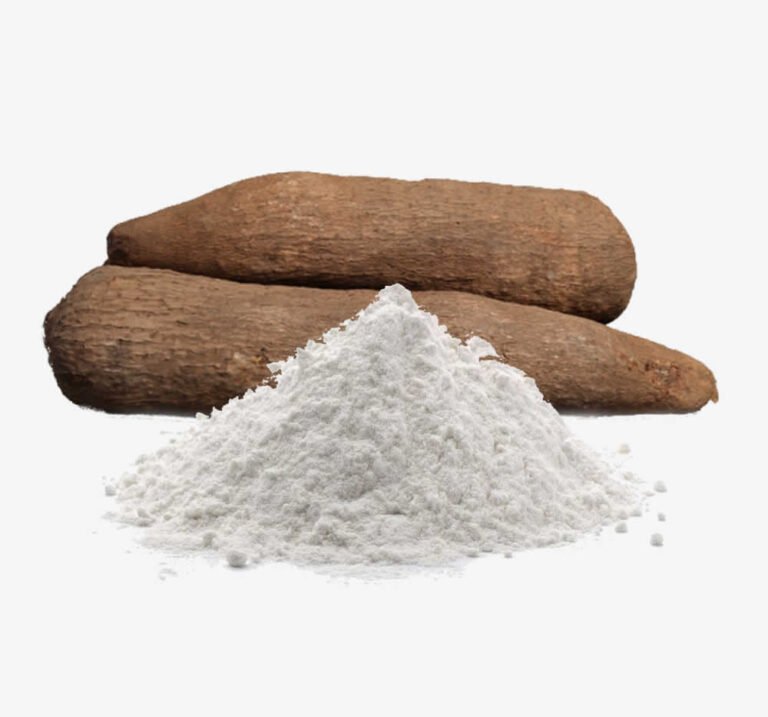
Fufu is traditionally made from fermented cassava, either pounded fresh or reconstituted from fufu flour, with a softer, slightly tangier flavor from the fermentation process that eba doesn’t have.
Texture-wise, eba tends to be slightly firmer and less stretchy than well-made fufu, though both are meant to be smooth enough to swallow without much chewing, which is where the name “swallow” actually comes from. Flavor-wise, eba has a more neutral, toasted taste from the roasted garri, while fufu carries that characteristic mild tang from fermentation. Neither is objectively better. Which one a household prefers usually comes down to upbringing and regional habit more than any clear advantage one has over the other.
How to Make Eba
- Bring water to a rolling boil.
- Add garri gradually while stirring continuously with a wooden spoon or turning stick, adjusting the amount until you reach a smooth, stretchy, dough-like consistency. Too little garri and it stays watery, too much and it turns stiff and hard to work with.
- Keep stirring and folding for another minute or two once it comes together, pressing out any lumps.
- Shape into smooth balls or a mound, and serve immediately while still warm, since eba firms up and becomes harder to eat as it cools.
What Eba Is Eaten With
Eba pairs with essentially any Nigerian soup, and it’s a particularly common match for egusi soup, a pairing frequent enough to be its own distinct, commonly searched combination. It works equally well with ogbono, okra soup, or any other soup on this site that calls for a swallow.
Making Eba Outside Nigeria
This is genuinely one of the easiest traditional Nigerian foods to make anywhere in the US, UK, or Canada, since garri itself is widely available at African grocery stores across all three countries, and the only other ingredient required is water. Our Where to Buy guides cover exactly where to find garri by country if you’re not sure where to start.
Why Eba Is So Common
Garri’s shelf stability is really the whole story behind why eba is the everyday swallow rather than an occasional one. Unlike fresh cassava or yam, garri keeps for months without refrigeration, making it the practical default for a quick weeknight meal rather than something that requires advance planning. This is part of why eba shows up so often in Nigerian households regardless of region or background, while more elaborate swallows or soups tend to be reserved for when there’s more time to cook. It’s the food equivalent of always having pasta in the pantry, reliable, fast, and rarely the star of the meal on its own, but essential to how the actual soup gets eaten.