 US,
US,  UK
UK  Canada
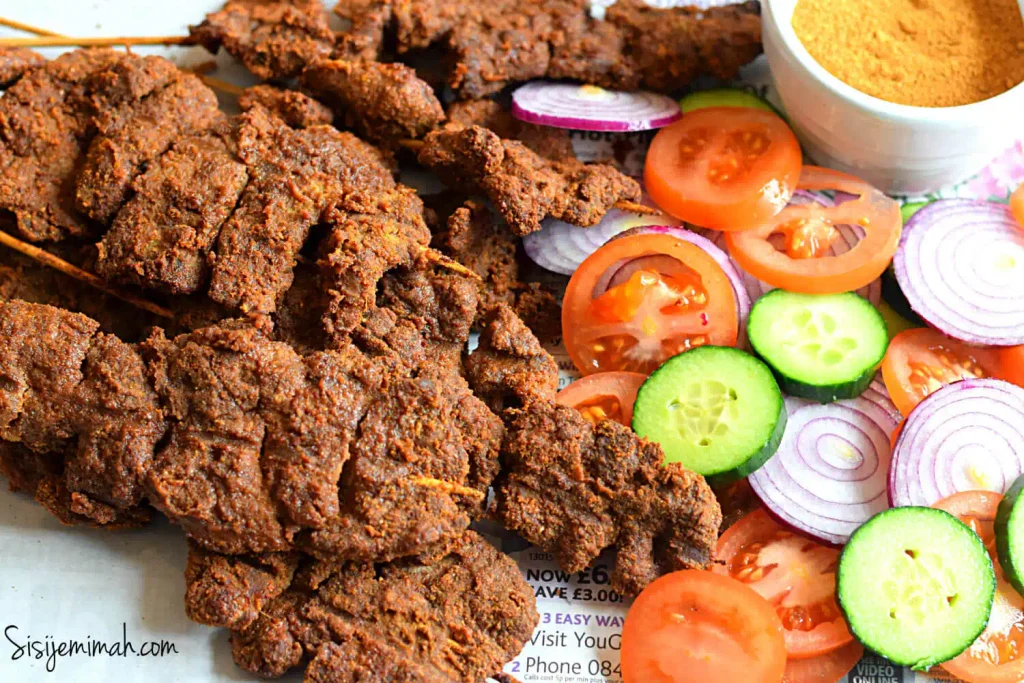
Suya is Nigerian street food royalty — thin skewers of spiced, grilled meat sold by suya spots (called “suya joints” or “aboki mai suya”) on street corners across Nigeria, usually at night, usually with a crowd waiting. If you’re in the US, UK, or Canada and craving it, or just want to understand what makes it taste the way it does, here’s the full picture.
What Is Suya?
Suya is a Nigerian dish of thinly sliced, skewered meat, coated in a dry spice blend and grilled over an open flame. It originated with the Hausa people of northern Nigeria and has since spread nationwide, becoming one of the most recognizable Nigerian foods both at home and across the diaspora.
The defining feature of suya isn’t the meat itself — it’s the spice coating, known as yaji (also sometimes called suya spice or suya powder). This dry rub, made primarily from ground roasted peanuts and a blend of spices, is what gives suya its distinctive smoky, nutty, peppery flavor and slightly crusty exterior once grilled.
Suya is typically sold thinly sliced and served with raw onion, sliced tomato, and cabbage on the side, often wrapped in newspaper or brown paper at street stalls — a presentation that’s become as much a part of the suya experience as the meat itself.
How To Make Authentic Nigerian SUYA PEPPER | Hausa YAJI (SUYA SPICE) Recipe
What Is Suya Spice (Yaji) Made Of?
Yaji is a dry spice blend, and it’s the single most important element of authentic suya. The base ingredients typically include:
- Ground roasted peanuts (or peanut powder) — the defining ingredient, giving yaji its nutty base and helping the spice cling to the meat
- Ground ginger
- Ground garlic
- Cayenne pepper or ground chili, for heat
- Paprika, for color and mild flavor
- Ground crayfish, in some regional and family variations
- Salt and seasoning cubes, crushed and ground into the mix
- Sometimes a small amount of onion powder
The exact ratio and additional spices vary significantly by region, vendor, and family — yaji recipes are closely guarded by many suya sellers, and part of what distinguishes a beloved suya spot from an average one is the specific balance of heat, nuttiness, and smokiness in their particular blend.
Types of Suya
While the spice blend is the constant, suya varies by the cut and type of meat used:
- Beef suya — the most common and traditional version, typically made from thinly sliced beef.
- Chicken suya — a popular alternative, using chicken breast or thigh meat, often favored by those who don’t eat beef or want a lighter option.
- Ram or goat suya — less common outside Nigeria but traditional in some regions, prized for its distinct flavor.
- Suya wings — a diaspora-popularized twist, applying yaji spice to chicken wings rather than thin meat strips, blending suya flavor with a more Western wing format.
- Kilishi — worth mentioning as a close relative rather than suya itself: a dried, jerky-like version coated in similar spices, meant for longer storage rather than immediate grilling.
Where Does Suya Come From?
Suya originates with the Hausa people of northern Nigeria, where it developed as a way of preparing and preserving meat using dry spice rubs and open-flame grilling. Hausa “aboki mai suya” (the traditional term for suya vendors, regardless of the seller’s actual age) carried the dish south and across Nigeria over decades, and it’s now sold nationwide, associated with virtually every Nigerian city rather than just the north. Its popularity has followed Nigerian communities abroad, with suya spots and pop-up grills now a fixture in Nigerian diaspora communities across the US, UK, and Canada.
How Is Suya Traditionally Made?
- Meat is sliced very thin, which allows the spice to coat more surface area and helps it cook quickly over open flame.
- The sliced meat is threaded onto skewers.
- A light coating of oil is brushed onto the meat to help the yaji spice adhere.
- The yaji spice blend is generously rubbed onto the skewers, coating all sides.
- The skewers are grilled over an open charcoal flame, turned regularly, until cooked through with a slightly charred, crusted exterior.
- Extra yaji is often sprinkled on again just before serving, for an additional hit of flavor.
- Served hot with sliced raw onion, tomato, and sometimes cabbage.
Want the full step-by-step recipe with exact spice ratios? See our complete suya recipe guide.
What Does Suya Taste Like?
Suya has a bold, complex flavor profile: smoky from the open-flame grilling, nutty from the ground peanuts in the yaji, and spicy from the cayenne and chili, with a savory depth from garlic and ginger underneath it all. The heat level varies significantly by vendor and recipe, but suya is generally expected to have a real kick — it’s not a mild dish. The raw onion and tomato served alongside aren’t just garnish; they provide a cooling, fresh contrast to the spice-heavy, smoky meat.
Nutritional Overview
Because suya is grilled rather than fried, it’s leaner than many other popular Nigerian street foods. A typical serving offers:
- A strong source of protein from the meat itself, particularly with beef or chicken
- Some healthy fat and additional protein from the ground peanuts in the yaji spice
- A meaningful sodium content, from both the salt in the spice blend and any seasoning cubes used
- Minimal carbohydrates on their own, though suya is often eaten alongside bread or rice, which changes the overall meal’s nutritional profile
The peanut base in yaji is worth knowing about specifically if you or anyone you’re serving has a peanut allergy — it’s a defining ingredient, not an optional add-in, so suya isn’t a dish that can be easily made peanut-free without significantly changing its flavor profile.
What to Eat Suya With
Beyond the classic raw onion, tomato, and cabbage served directly with the skewers, suya shows up in a few other common pairings:
- Agege bread — a soft, slightly sweet Nigerian bread, commonly used to make a suya sandwich, sold this way by some street vendors.
- Cold drinks — suya’s heat and smokiness make it a popular late-night food paired with cold beer or soft drinks, especially in its traditional street-vendor context.
- As a party or gathering food — suya skewers are a common feature at Nigerian parties and cookouts in the diaspora, playing a similar role to how other cultures might serve grilled kebabs or barbecue at a gathering.
Making Suya in the Diaspora vs. Back Home
- Grilling over charcoal makes a real difference, and it’s worth the extra effort. A gas grill or stovetop pan will still produce good suya, but the distinct smokiness that defines street-vendor suya comes specifically from charcoal and open flame — worth using a charcoal grill outdoors if you have access to one.
- Pre-made yaji spice blends are widely available and a legitimate shortcut. Making yaji from scratch involves roasting and grinding peanuts along with several other spices — a real project. Pre-made yaji sold at African grocery stores is a completely normal choice for most households abroad, not a compromise.
- Thin slicing takes practice with unfamiliar cuts. Meat cuts and butchery conventions differ between Nigeria and the West, so ask your butcher specifically for thin-cut beef suitable for grilling, or slightly freeze the meat before slicing at home to make thin, even cuts easier to achieve.
- Suya spots have become their own diaspora institution. In cities with a sizable Nigerian population, informal suya nights and pop-up grills are common community gathering points — worth seeking out locally if you’d rather buy it fresh than make it yourself.
Finding Suya Spice Ingredients in the USA, UK, and Canada
Pre-made yaji or suya spice blends are stocked at most African grocery stores in cities with a Nigerian community, and increasingly available through online African grocery retailers shipping nationwide across all three countries. Ground roasted peanuts and the individual spices (ginger, garlic, cayenne, paprika) needed to make yaji from scratch are typically easier to source, often available at regular supermarkets. (See our full guides to finding Nigerian pantry ingredients in the USA, UK, and Canada.)