 US,
US,  UK
UK  Canada
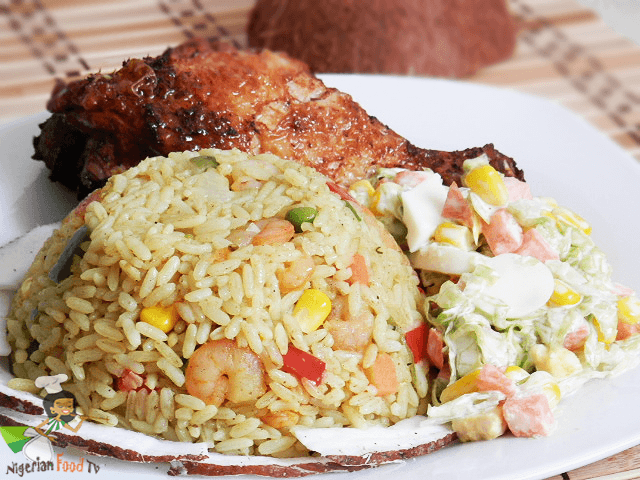
Worth clearing up first: Nigerian salad is a different dish entirely from abacha, which is sometimes also called African salad. This one is the mayonnaise dressed vegetable salad you’ll find at nearly every Nigerian party, sitting in its own tray next to the jollof rice and fried rice.
What Nigerian Salad Actually Is
Nigerian salad is a mixed vegetable salad built around cabbage, lettuce, carrots, sweetcorn, green peas, and baked beans, brought together with a mayonnaise based dressing and usually topped with sliced boiled eggs. It’s not a light, simple side dish the way a garden salad might be elsewhere. It’s rich, substantial, and treated as a genuine component of the meal rather than an afterthought.
How to Make Nigerian Vegetable Salad – VERY DETAILED RECIPE – ZEELICIOUS FOODS
Nigerian Salad Ingredients
Serves 6 to 8
- 1 small head cabbage, shredded
- 2 to 3 carrots, diced or grated
- 1 cucumber, diced
- 1 can sweetcorn, drained
- 1 can green peas, drained
- 1 can baked beans
- 4 to 5 boiled eggs, sliced
- 1 to 2 apples, diced (optional, for a touch of sweetness)
- 1 cup mayonnaise, or more to taste
- Salt and pepper to taste
How to Make Nigerian Salad
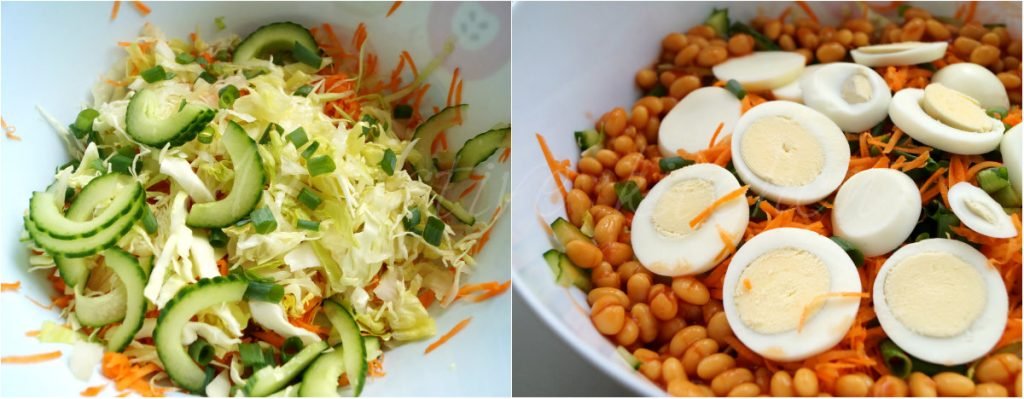
- Prepare the vegetables. Shred the cabbage finely, dice the carrots and cucumber, and have the sweetcorn and peas drained and ready.
- Combine the vegetables in a large bowl, along with the baked beans and diced apple if using.
- Add the mayonnaise gradually, folding it through gently rather than stirring hard, until everything is coated to your preference. Some people like it lightly dressed, others prefer it heavily coated, and both are completely normal depending on the household.
- Season with salt and pepper to taste.
- Top with sliced boiled eggs just before serving.
- Chill for at least an hour before serving if possible, since the flavors settle and the salad firms up slightly once cold.
Why Baked Beans Show Up in a Salad
This surprises people who haven’t encountered Nigerian salad before, since baked beans aren’t a typical salad ingredient in most other cuisines. Here, they add a subtle sweetness and heartiness that balances out the richness of the mayonnaise, and they’re genuinely considered essential rather than optional in most traditional versions. Leaving them out is a fine personal preference, but it does change the dish from what most people would recognize as authentic.
Making Nigerian Salad Outside Nigeria
This is one of the more accessible dishes on the entire site in terms of sourcing. Every single ingredient, cabbage, carrots, sweetcorn, baked beans, mayonnaise, is a completely standard item at any regular supermarket across the US, UK, or Canada. There’s no African grocery store trip required at all for this particular dish, which makes it a genuinely easy entry point if you’re just starting to explore Nigerian cooking and want something low pressure to try first.
A Party Table Fixture
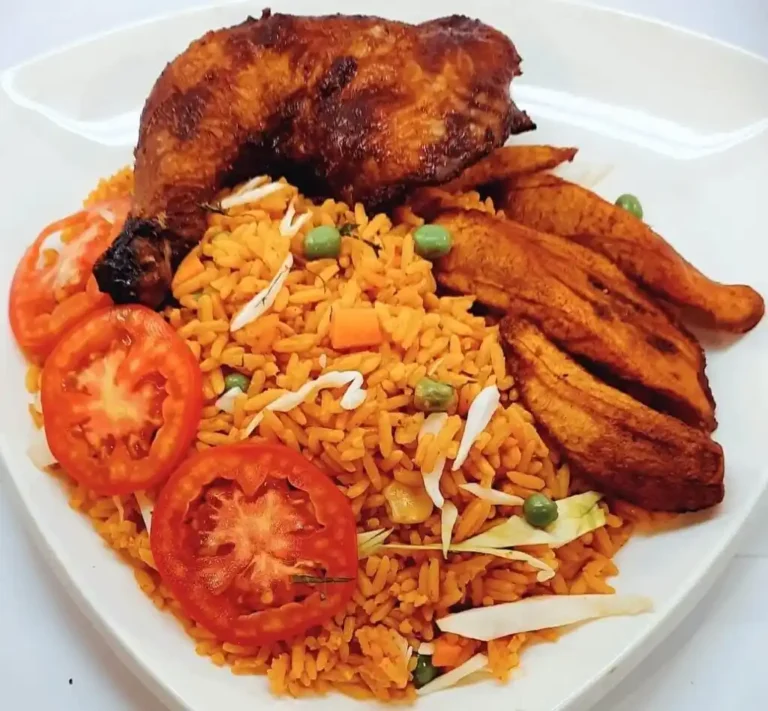
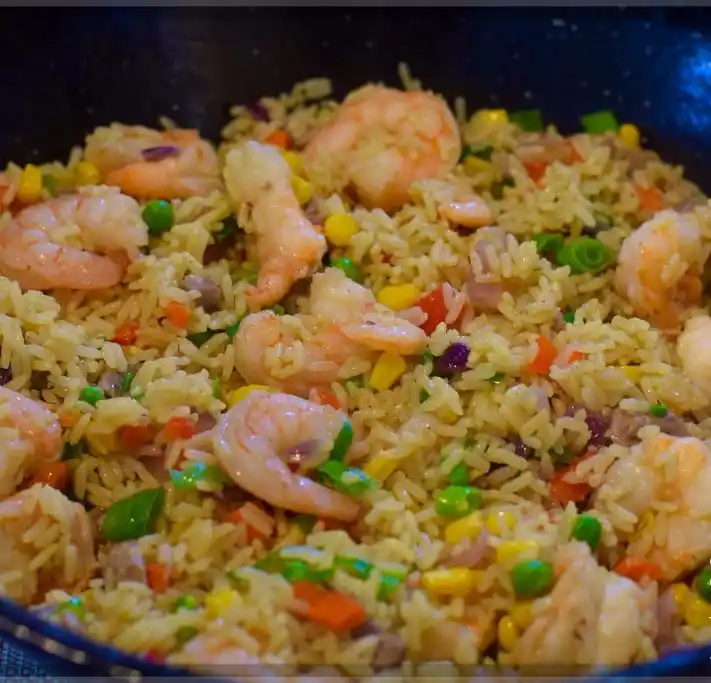
Walk into almost any Nigerian party, whether it’s a wedding, a birthday, or a smaller family gathering, and you’ll usually find Nigerian salad sitting in its own tray alongside jollof rice, fried rice, and grilled chicken or beef. It’s become such a standard part of that lineup that a party spread genuinely feels incomplete without it, even though, unlike jollof rice, it’s not tied to any specific origin story or regional debate. It’s simply become a fixture of how Nigerians entertain, a dish that shows up because it’s expected, not because of any deep cultural symbolism behind it.
That practicality is part of its appeal too. Since it’s served cold and holds up well sitting out, it’s genuinely convenient for large gatherings where food needs to stay out for hours without someone constantly reheating it, unlike a hot soup or stew that needs more careful handling once served.