 US,
US,  UK
UK  Canada
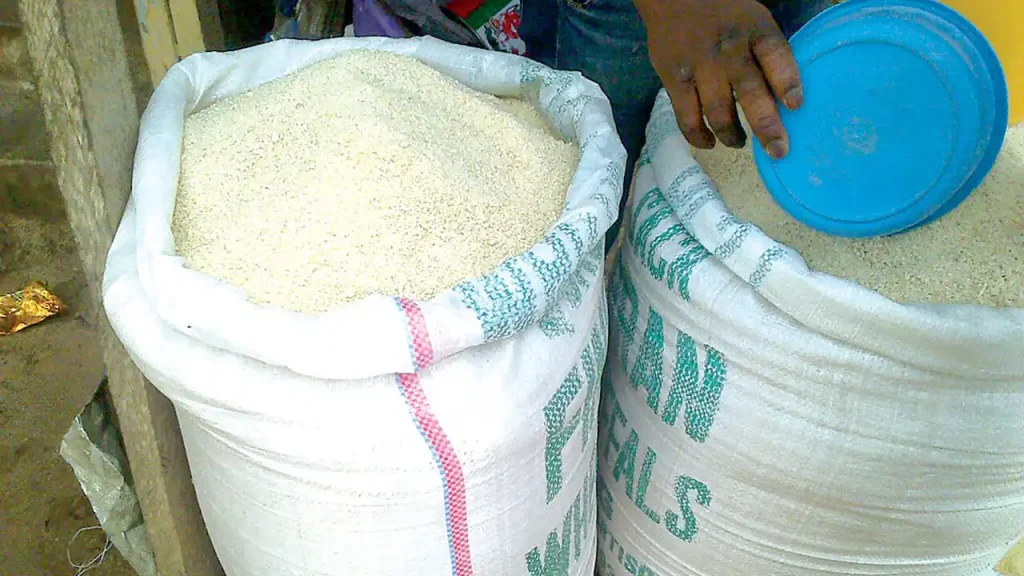
Garri is one of the most familiar foods from a Nigerian childhood — the emergency meal when there’s nothing else in the house, the snack you eat cold and sweetened, and the swallow you turn to on a weeknight when pounding fufu feels like too much work. If you’re now in the US, UK, or Canada and want to understand exactly what it is, this guide covers everything: what garri is made of, the yellow-vs-white distinction, and the different ways it’s eaten.
What Is Garri?
Garri is a granular food product made from fermented, grated, and toasted (fried) cassava root. Unlike cassava flour, which is smooth and fine, garri has a coarse, slightly crunchy texture in its dry form, with a mild tangy flavor that comes from the fermentation process.
Garri is eaten in two very different ways in Nigerian households:
- Cold, as a quick snack or light meal — soaked in cold water (sometimes with milk, sugar, and groundnuts added), a preparation often called “garri soaking.”
- Hot, as a swallow — mixed with hot or boiling water and stirred into a smooth, dough-like consistency, then eaten with soup, just like fufu or pounded yam. This hot, prepared form is called eba.
What Is the Difference Between Garri and Eba?
This trips a lot of people up, so it’s worth being precise: garri is the dry, granular product, and eba is what you get when you prepare garri with hot water to eat with soup. In other words, eba is a dish made from garri, not a separate ingredient. If a recipe or menu says “eba,” it means garri that’s been mixed with hot water into a swallow — the same category of food as fufu or pounded yam, just made from a different base.
Yellow Garri vs. White Garri: What’s the Difference?
This is one of the most common questions people search about garri, and the answer is simpler than it seems:
- White garri is the natural color of fermented, toasted cassava with no additional ingredients.
- Yellow garri gets its color from palm oil added during the frying/toasting process, which also gives it a slightly richer flavor and a touch more fat content than white garri.
Both are used the same way — soaked cold as a snack, or turned into eba as a swallow. The choice between yellow and white largely comes down to regional tradition and personal taste; some parts of Nigeria strongly prefer one over the other, while others use them interchangeably.
How To Make Garri/ Cassava flakes At Home | Very Interesting Nigerian Recipe
Traditionally, garri is made through several stages:
- Peeling and grating fresh cassava root.
- Fermenting the grated cassava for one to several days, which develops its characteristic tang and helps remove naturally occurring toxins present in raw cassava.
- Pressing to remove excess liquid.
- Frying/toasting the pressed cassava in a large pan (with or without palm oil, depending on whether white or yellow garri is being made) until it becomes dry and granular.
In the diaspora, garri is almost always bought pre-made and packaged, ready to eat straight from the bag — the labor-intensive fermenting and toasting process happens at the production stage, long before it reaches a grocery shelf in the US, UK, or Canada.
How to Eat Garri
As a cold snack (garri soaking): Pour garri into a cup or bowl, add cold water gradually until it softens slightly (it should still have some texture, not turn into mush), then add sugar, groundnuts, and sometimes milk or evaporated milk to taste. This is a common quick snack, especially among students and anyone craving something fast and nostalgic.
As a hot swallow (eba): Boil water, then gradually stir in the garri using a wooden turning stick or sturdy spoon, mixing continuously until it thickens into a smooth, stretchy dough, similar in process to making fufu with cassava flour. Shape into a ball and serve with soup.
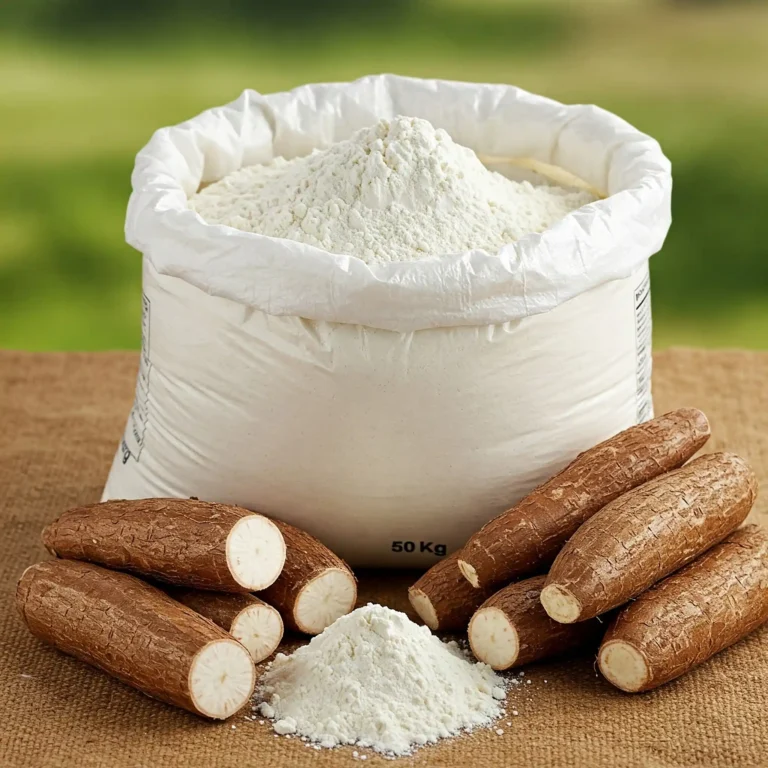
Garri Is Not the Same as Cassava Flour
Both products come from cassava, but they are not interchangeable.
Cassava flour is generally produced by drying cassava and grinding it into flour.
Garri goes through a different process that typically includes grating, fermentation, pressing, sieving and roasting.
That gives it a completely different texture and behavior when water is added.
If a recipe asks for garri to make eba, ordinary cassava flour is not a direct substitute.
And Then There Is Ijebu Garri
Ijebu garri is particularly associated with the Ijebu area of Ogun State.
It is usually recognized for its sharper, more sour taste and often finer texture.
That sourness is one of the reasons many people specifically prefer Ijebu garri for soaking.
A bowl of cold Ijebu garri with water, sugar, groundnuts and perhaps milk has a noticeably different character from a less fermented garri.
There is enough search interest around Ijebu garri that we should mention it prominently here, but I would still keep it under this main garri article for now rather than creating a second competing page. Your UK research, for example, groups “what is Ijebu garri” around the same ingredient section
Why Does Garri Sometimes Taste Sour?
The sourness comes largely from fermentation during processing.
Not every garri has the same level of acidity.
The variety of cassava, fermentation time and processing method can all influence the final taste.
This is why one bag of garri may taste mild while another has a much sharper flavor.
People who prefer drinking garri often deliberately look for varieties with more sourness.
How Can You Tell Good Garri?
There is no single texture or taste that every Nigerian prefers, but good garri should generally appear dry and free-flowing rather than damp and clumped together.
The aroma should be normal for fermented cassava, not musty or stale.
If you are buying packaged garri, check the packaging carefully for damage and confirm the expiry or best-before information provided by the manufacturer.
If buying from a bulk African grocery shop, freshness and proper storage matter.
Moisture is the enemy.
Storing Garri Properly
Garri should be kept dry.
Once moisture enters the container, the product can begin to deteriorate.
An airtight food container is usually more practical than repeatedly opening a thin plastic bag.
Store it somewhere cool and dry, away from direct heat and humidity.
This becomes especially important in places where kitchens may experience condensation or large temperature changes.
Do not use garri that develops mold, an abnormal smell or obvious signs of moisture damage.
Finding Garri Abroad Is Much Easier Than It Used to Be
Garri is one of the more widely available Nigerian staples outside the country.
African grocery shops and online food retailers across the USA, UK and Canada often stock several varieties, including white garri, yellow garri and packaged Ijebu-style garri.
This is one place where our diaspora focus becomes useful.
Garri, Eba and Fufu Are Not the Same Thing
These terms sometimes get mixed together online.
Garri is the dry, roasted cassava granule.
Eba is the swallow you get when garri is prepared with hot water.
Fufu is another category of swallow with different preparation methods and textures.
They can all involve cassava, but that does not make them identical.
If someone asks, “Is eba fufu?” the simplest answer is that eba is a Nigerian swallow like fufu, but it is made specifically from garri and has its own name and preparation method.
Where to Buy Garri in the USA
Garri is widely available at African and Caribbean grocery stores in cities with a Nigerian or West African community, including Houston, Atlanta, Dallas, Chicago, and New York, and is also sold through several online African grocery retailers shipping nationwide. Both yellow and white garri are typically stocked, sometimes under regional or brand-specific names. (See our full guide to where to buy garri in the USA, and our directory of African grocery stores by city.)
Where to Buy Garri in the UK
Garri is a staple item at most African and Caribbean grocers across the UK, particularly in London, Manchester, Birmingham, and Liverpool, with several UK-based online African grocery retailers also shipping it nationwide. (See our full guide to where to buy garri in the UK.)
Where to Buy Garri in Canada
Canadian cities including Toronto, Ottawa, Calgary, and Edmonton have African grocery stores that stock garri, usually alongside cassava flour and other cassava products. (See our full guide to where to buy garri in Canada.)
Buying and Eating Garri in the Diaspora vs. Back Home
- Both yellow and white garri are usually available, but stock varies by store. If your regular African grocery store only carries one, don’t assume the other doesn’t exist — it’s often just a matter of what a particular shop stocks, not regional unavailability.
- Garri soaking is an easy, no-cook way to get a taste of home on a busy day. It requires zero cooking equipment or time, which makes it one of the more practical “craving fixes” for anyone short on time or kitchen access, like a student in a dorm or someone new to a city without a full kitchen set up yet.
- Making eba at home is quick enough to be a genuine weeknight option, not just a special-occasion swallow — worth remembering if fufu or pounded yam feel like too much effort on a Tuesday.