 US,
US,  UK
UK  Canada
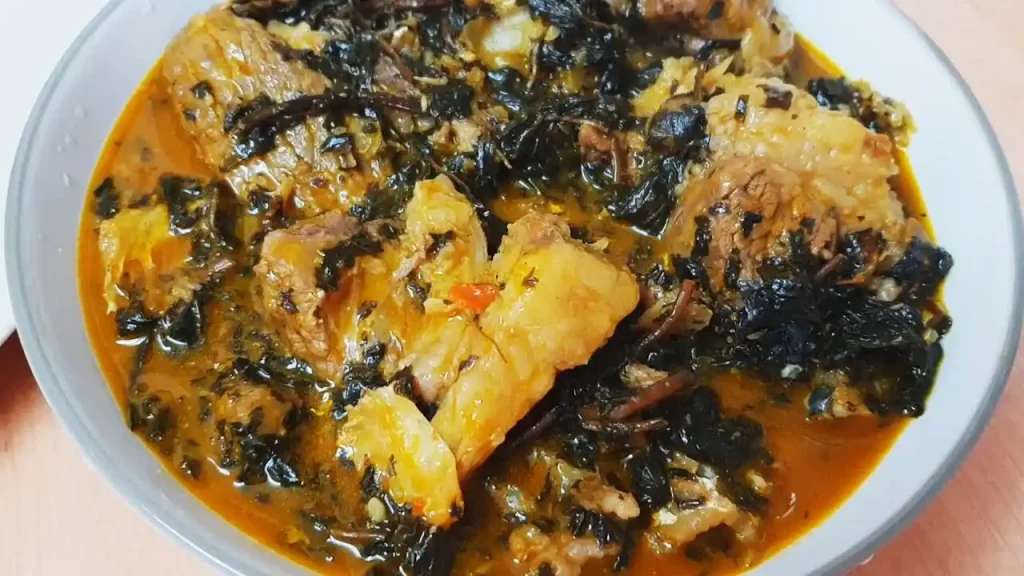
Bitter leaf soup — ofe onugbu in Igbo — is one of the most distinctive soups in Nigerian cuisine, built around a leaf that’s genuinely, intentionally bitter, balanced against rich stock, cocoyam, and a careful washing process. If you’ve had it before and want to recreate it, or you’re wondering what makes it so different from other Nigerian soups, here’s the full picture.
What Is Bitter Leaf Soup?
Bitter leaf soup is a Nigerian soup made from washed bitter leaf, thickened with cocoyam, and cooked with meat, fish, stockfish, and a modest amount of palm oil. It’s a signature dish of Igbo cuisine, closely related to oha soup in preparation style, though bitter leaf’s distinctive taste sets this soup apart from anything else in Nigerian cooking. The name itself is honest — the soup retains real bitterness even after the leaves are washed, and that bitterness is considered essential to the dish rather than something to eliminate entirely.
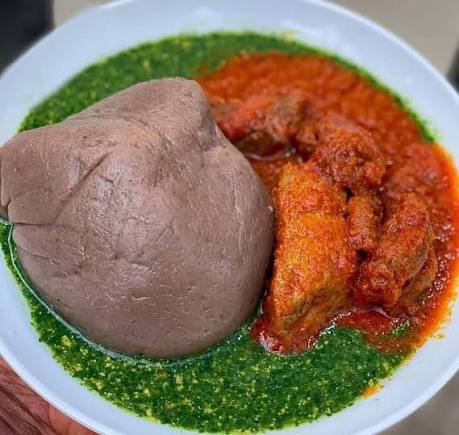
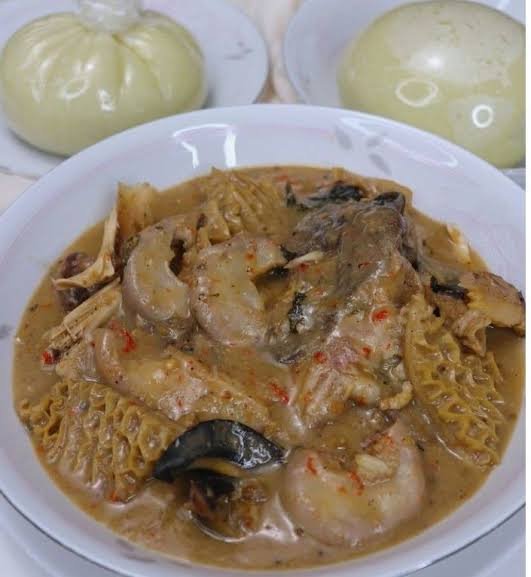
How to cook rich bitter leaf soup like a pro ! Anambra style ofe onugbu
What Is Bitter Leaf Soup Made Of?
Serves 4–6
- 2 cups washed bitter leaf (fresh or pre-washed frozen)
- 2–3 cocoyam corms (or cocoyam/achi flour as a thickening substitute)
- 1/4 cup palm oil
- 1 lb assorted meat (beef, goat meat, or tripe), cut into chunks
- 1/2 lb stockfish or dried fish
- 2 tbsp ground crayfish
- 1 onion, chopped
- 2–3 scotch bonnet peppers, to taste
- Ogiri or locust beans (iru), optional, for traditional depth
- 2 seasoning cubes
- Salt to taste
How to Make Bitter Leaf Soup
- Wash the bitter leaf, if using fresh. Rinse and squeeze the leaves repeatedly under water to reduce the raw bitterness — see our full bitter leaf guide for the detailed washing process. Skip this step entirely if using pre-washed frozen bitter leaf.
- Season and boil the meat. Place your assorted meat in a pot with chopped onion, a seasoning cube, and salt. Cover with water and boil until tender, reserving the stock.
- Prepare the cocoyam thickener. Boil the cocoyam corms separately until soft, then pound or blend into a smooth paste.
- Add the cocoyam paste to the stock. Stir small lumps or spoonfuls of the paste into the meat stock, letting it dissolve and thicken the soup gradually.
- Heat and add the palm oil. Stir the palm oil into the thickening soup.
- Add the meat, fish, and seasonings. Stir in the cooked meat, stockfish, crayfish, blended pepper, ogiri or locust beans if using, and the second seasoning cube. Simmer for 10–15 minutes.
- Add the bitter leaf. Stir in the washed bitter leaf and let it simmer for a further 5–10 minutes, allowing the flavors to fully combine.
- Serve hot, with pounded yam, fufu, or garri.
What Does Bitter Leaf Soup Taste Like?
Bitter leaf soup has a distinctive, genuinely bitter base flavor — not overwhelming after proper washing, but clearly present and considered central to the dish’s character. This bitterness is balanced by the richness of the palm oil and stock, the savory depth of stockfish and crayfish, and the smooth, slightly stretchy body from the cocoyam thickener. It’s a more complex, acquired-taste soup compared to milder options like efo riro, and it’s often described as one that grows on people the more they eat it — many Nigerians who didn’t love it as children come to genuinely crave it as adults, a common enough experience that it’s become something of a running joke about the soup’s particular appeal.
Bitter Leaf Soup vs. Oha Soup: What’s the Difference?
These two Igbo soups share a very similar preparation style, both thickened with cocoyam and built around a specific leaf:
- Bitter leaf soup uses washed bitter leaf, retaining a distinct, intentional bitterness even after preparation.
- Oha soup uses oha leaves, which are much milder and require no bitterness-reducing wash — just hand-tearing before adding to the pot.
Many households make both regularly, treating them as related but distinct dishes rather than interchangeable versions of the same soup.
Making Bitter Leaf Soup in the Diaspora vs. Back Home
- Pre-washed, frozen bitter leaf is the practical standard abroad, skipping the most time-consuming step in the entire recipe without meaningfully compromising the result — see our bitter leaf guide for more on sourcing it.
- Achi or cocoyam flour substitutes well for fresh cocoyam when corms aren’t available, which is common outside Nigeria — a small adjustment that doesn’t change the dish’s character.
- Stockfish and ogiri can both be skipped if unavailable or too expensive where you’re shopping; the soup remains authentic and flavorful built around fresh meat, fish, and crayfish alone.
- This is a good soup to batch-cook and freeze, since bitter leaf soup holds up well after freezing and reheating, making it practical for anyone balancing a full-time schedule abroad with wanting a genuine taste of home during the week rather than only on weekends.
Finding Bitter Leaf Soup Ingredients in the USA, UK, and Canada
Pre-washed frozen bitter leaf, cocoyam or achi flour, and the other soup ingredients are stocked at African grocery stores across major cities with a Nigerian community in all three countries, and increasingly available through online African grocery retailers shipping nationwide. (See our full guide to where to buy bitter leaf.)
Where Does Bitter Leaf Soup Come From?
Bitter leaf soup originates from Igbo cuisine in southeastern Nigeria, where it holds a genuinely important place in everyday and celebratory cooking alike — unlike oha soup, which leans toward special occasions, bitter leaf soup is common enough to appear as a regular weeknight dish in many Igbo households, precisely because bitter leaf itself, especially the pre-washed version, is more accessible and affordable than oha leaves or cocoyam alone would suggest. It’s eaten and appreciated well beyond the Southeast today, recognized across Nigeria as one of the country’s most distinctive soups.
Nutritional Overview
Bitter leaf itself is genuinely nutrient-dense, with a long traditional association with digestive health (see our full bitter leaf guide for more), and the cocoyam thickener adds complex carbohydrates and fiber to the dish. Combined with the protein from meat, fish, and stockfish, bitter leaf soup offers a well-rounded nutritional profile, and its relatively modest palm oil content compared to soups like egusi or banga makes it a somewhat lighter option within the broader category of Nigerian soups.