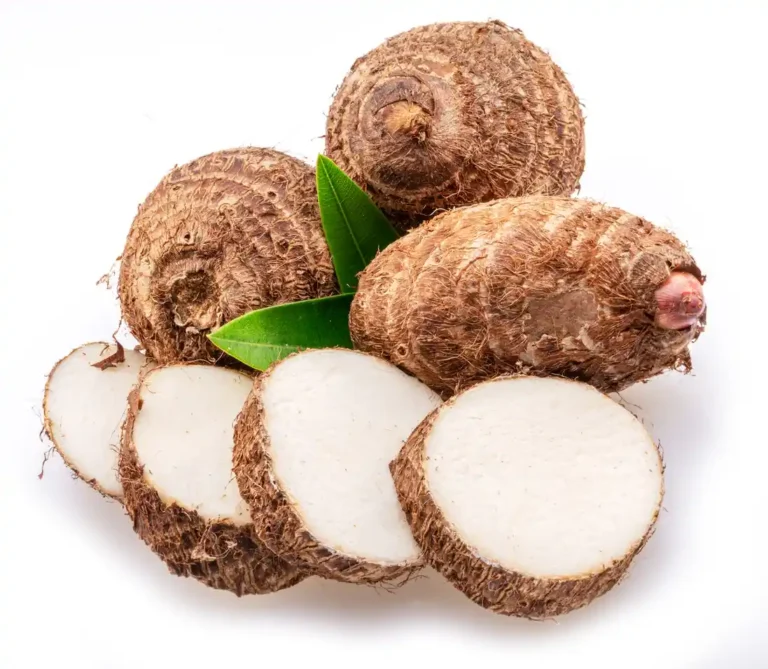
 US,
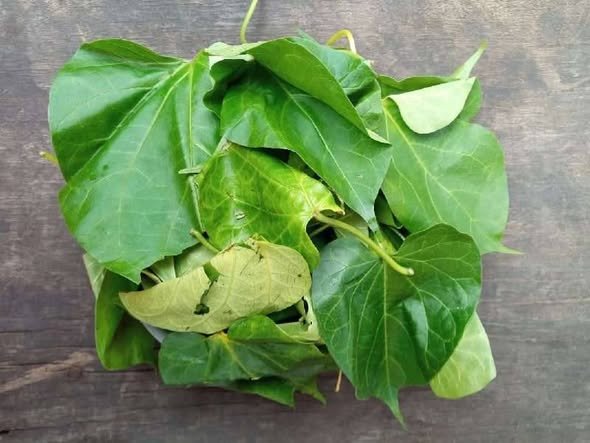
US,  UK
UK  Canada
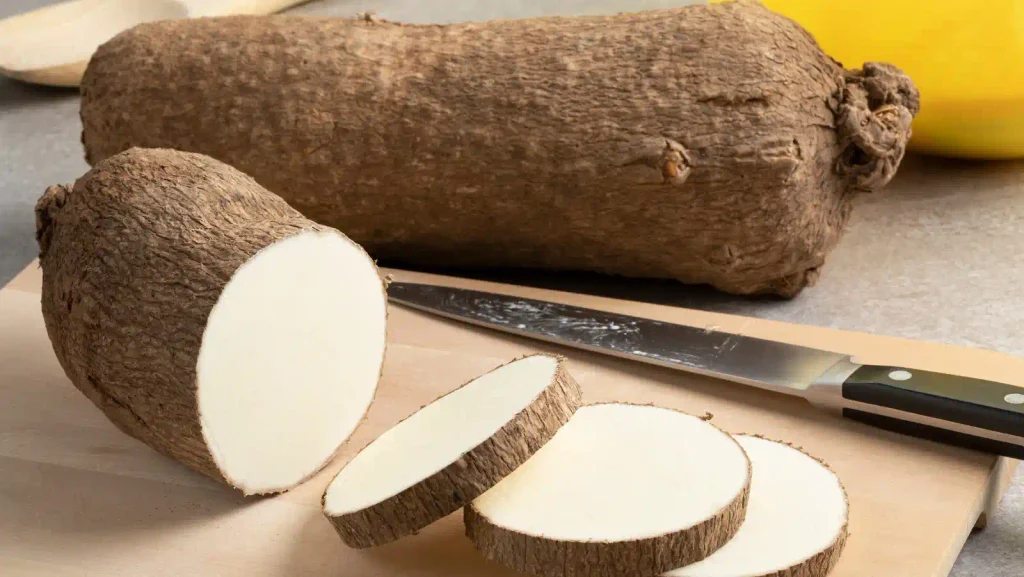
Say “yam” in a Nigerian kitchen and you’re talking about something completely different from what most American supermarkets sell under that name. This is one of the more common points of confusion for anyone shopping for Nigerian ingredients outside Nigeria, so it’s worth untangling before getting into how the real thing is actually cooked.
Not the Same Thing as “Yam” at a US Supermarket
What’s sold as “yam” in most American grocery stores is actually a variety of sweet potato, orange fleshed and naturally sweet. African yam is a genuinely different plant entirely. It’s a starchy tuber with a rough, bark like brown skin and firm, white or yellow flesh, and it’s not sweet at all in its raw or cooked state. If you’re shopping in the US specifically, look for it labeled as “African yam,” “Nigerian yam,” or “white yam” rather than just “yam,” since grabbing the wrong one will give you a completely different dish than intended.
The Main Ways It’s Cooked
Boiled yam is the simplest preparation: peeled, cut into chunks, and boiled until tender, usually served alongside a sauce or stew. It’s one of the most common everyday meals in Nigerian households, closer to how rice or potatoes might function in another cuisine’s daily rotation.
Fried yam (dundu) takes boiled or par boiled yam chunks and fries them until golden, often served with a fried or ground pepper sauce on the side. It’s a popular breakfast dish and a common street food item.
Yam porridge (asaro) cooks yam chunks directly in a palm oil and pepper base, similar in spirit to how jollof rice cooks rice directly in its sauce rather than boiling the two separately. The yam breaks down slightly as it cooks, giving the dish a thicker, more cohesive texture than boiled yam served alongside a separate sauce. It’s a genuinely comforting, one pot meal, often made with fish or smoked fish stirred in toward the end, and it’s a common answer to “what’s quick to cook tonight” in a lot of Nigerian households.
Roasted yam is grilled or roasted directly, often over an open flame, and paired with a pepper sauce similar to fried yam. It’s a common street food preparation, less common as a home cooking method simply because it requires open flame cooking that not every kitchen is set up for.
Pounded yam is its own distinct preparation, boiled yam pounded into a smooth, stretchy swallow eaten with soup rather than a sauce. It’s significant enough to have its own full guide, covering the traditional pounding method and the more common poundo yam flour shortcut used widely outside Nigeria.
Choosing Yam at the Store
Look for a tuber that feels firm and heavy for its size, without soft spots or visible mold on the cut ends. A fresh cut should look clean and slightly moist rather than dry or discolored. Yam keeps well for a couple of weeks in a cool, dry place, similar to how you’d store a potato, and doesn’t need refrigeration until it’s been peeled and cut.
Finding African Yam in the USA, UK, and Canada
African grocery stores are the most reliable source, typically selling it whole or in large cut pieces by weight. It’s less commonly found at regular supermarkets than some other Nigerian staples, since the sweet potato sold as “yam” occupies that shelf space instead. Our Where to Buy guides cover country specific sourcing details if you’re not sure where to start looking.
Why Yam Matters So Much in Nigerian Culture
Yam holds a cultural weight in Nigeria that goes beyond just being a common food. The New Yam Festival, celebrated across many communities each year, marks the harvest of new yam crops and is treated as a genuine occasion, complete with traditional ceremonies in some regions. Yam has historically been associated with wealth, masculinity, and hard work in various Nigerian cultures, tied to how labor intensive traditional yam farming actually is. That significance is part of why pounded yam in particular carries a certain prestige at gatherings and celebrations, even though boiled and fried yam remain the more everyday, practical preparations most households rely on week to week.
Quick Questions
Is African yam the same as sweet potato? No. What’s labeled “yam” in most US supermarkets is actually a sweet potato variety. African yam is a different, unrelated tuber with a starchier texture and none of the natural sweetness.
What’s the difference between yam porridge and pounded yam? Yam porridge cooks yam chunks directly in a sauce until the texture thickens. Pounded yam is boiled separately, then pounded into a smooth, stretchy paste eaten with soup on the side. They’re prepared completely differently and eaten differently too.
How do I know if a yam is fresh? Look for a tuber that’s firm and heavy for its size, with no soft spots, and a clean, moist looking cut end if one is exposed.
Can I use regular potatoes instead of African yam? Not really. The texture and flavor are different enough that potatoes won’t produce an authentic result, though they’ll technically work in a pinch if African yam genuinely isn’t available anywhere near you.