 US,
US,  UK
UK  Canada
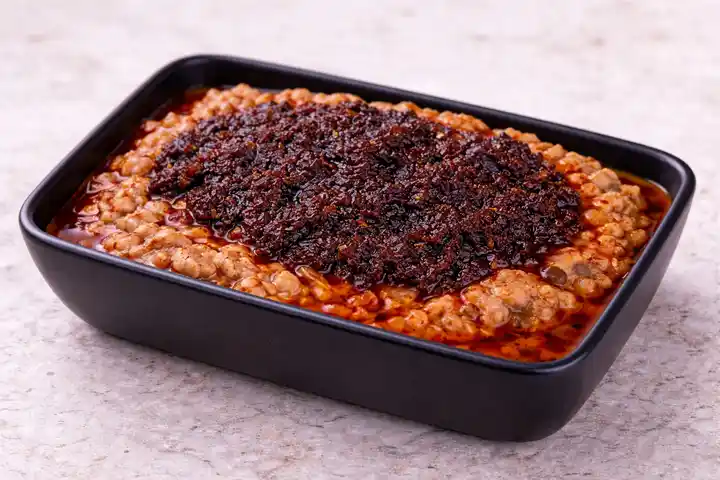
Walk down almost any street in Lagos in the evening and you’ll find someone selling ewa agoyin off a small table a pot of soft, mashed beans next to a pan of dark, oily, fiercely spiced sauce, ready to be spooned together into a bowl or wrapped in bread. It’s one of the few dishes that genuinely crosses every class line in Nigeria: office workers, students, and market traders all eat the same bowl from the same roadside seller.
The name itself tells you what it is “agoyin” refers to a specific pepper sauce technique, and the dish is really about that sauce as much as it’s about the beans underneath it. Get the sauce right, and even plain mashed beans become something people crave.
The Two Parts: Beans and Sauce
Ewa agoyin has two completely separate components that come together at the end.
The beans are usually honey beans (a smaller, softer Nigerian bean variety) cooked down until soft enough to mash not a distinct dish on their own, more of a canvas for the sauce.
The sauce is where the actual flavor lives: dried peppers, onions, and a generous amount of palm oil, cooked low and slow until the oil separates and the peppers turn dark and concentrated. This is not a quick sauce the slow cooking is what gives it the deep, almost smoky character that defines the dish.
How to make EWA AGOYIN | Kikifoodies
What You’ll Need
For the beans:
- 2 cups honey beans (or black-eyed peas as a substitute)
- 1 onion, roughly chopped
- Salt to taste
For the agoyin sauce:
- 8–10 dried red chilies (or a mix of dried chili and cayenne for a more accessible heat level)
- 2 onions
- 1 cup palm oil yes, a full cup; this sauce is genuinely oil-forward
- 2 seasoning cubes
- Salt to taste
Putting It Together
Start the beans first, since they take the longest. Rinse them, cover with water, and boil with the chopped onion until soft enough to mash easily with a spoon honey beans cook faster than most Nigerian bean varieties, but still expect close to an hour. Once soft, drain most of the water and mash roughly with a wooden spoon or potato masher. You’re not aiming for a smooth purée, just soft enough that it holds together.
While the beans cook, start the sauce. Blend the dried chilies and onions together into a coarse paste some texture here is fine, even traditional. Heat the palm oil in a separate pot until it’s hot but not smoking, then add the blended pepper mixture. This is the part that takes patience: let it fry, stirring occasionally, for a full 20 to 30 minutes. You’re watching for the oil to visibly separate from the pepper and rise to the surface, and for the whole mixture to darken from bright red to a deep reddish-brown. Add the seasoning cubes and salt in the last few minutes.
To serve, spoon the mashed beans into a bowl and top generously with the sauce don’t be shy with it, since a thin layer of sauce is the most common reason a homemade version tastes underwhelming compared to the street version.
Why the Slow Fry Actually Matters
If you rush the sauce, you’ll still get something edible, but you’ll miss what makes ewa agoyin distinct from a regular pepper stew. The extended, low-heat frying does two things: it mellows the raw sharpness of the dried peppers into something deeper and more rounded, and it lets the palm oil take on the pepper’s color and flavor rather than just sitting on top of it. It’s a similar principle to the oil-bleaching step in ofada stew both dishes rely on genuinely patient oil work to reach a flavor that a quick fry simply can’t replicate. Street vendors in Lagos often cook their sauce for even longer than a home cook would attempt part of why the roadside version tends to taste more complex than a rushed first attempt at home.
Cooking This Outside Nigeria
Honey beans specifically can be harder to track down than more common Nigerian bean varieties black-eyed peas are a completely reasonable substitute and widely available at any regular supermarket in the US, UK, or Canada, even if the texture is very slightly different from the real thing. Dried red chilies are easy to find in most international grocery aisles, not just African stores, which makes this one of the more accessible traditional dishes to recreate from a pure ingredient-sourcing standpoint. Palm oil is really the one ingredient worth a dedicated African grocery store trip for this dish a mainstream vegetable oil substitute will get you something edible, but it won’t carry the same flavor or the deep color the sauce is known for.
The sauce also happens to be one of the more forgiving traditional recipes to make ahead. Since it’s meant to be fried down slowly and thoroughly anyway, a batch made a few days in advance and reheated actually tastes just as good, if not better, than one made fresh the flavors have more time to settle. That makes it a realistic weekend project even for someone juggling a full work week, which is worth knowing if the idea of a 30-minute frying step sounds like more than a weeknight can accommodate.
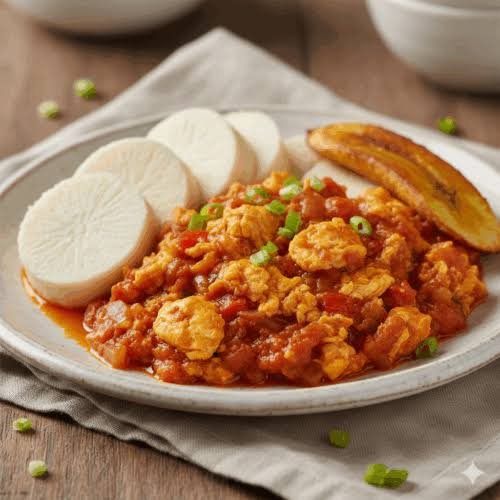
Ewa agoyin is traditionally eaten with bread (specifically the softer, slightly sweet Nigerian agege bread) or fried plantain either works as a side, and both are realistic to source or make at home wherever you are.
Where the Name Comes From
“Agoyin” is thought to trace back to the Yoruba word for the Ewe people of Togo and Benin, some of whom settled in Lagos generations ago and are credited with popularizing this specific pepper sauce style. Whether or not the etymology is exact, the dish itself has become thoroughly Lagos closely associated with the city’s street food culture rather than any single family recipe passed down quietly at home. It’s the kind of food people specifically go looking for from a particular seller rather than something cooked routinely in every household, which is part of why recreating it well feels like a genuine achievement rather than just another weeknight dinner.
That street food identity is also why ewa agoyin doesn’t get the same elaborate treatment as a special-occasion soup. There’s no version of this dish served at a wedding the way jollof rice or a big pot of Nigerian stew would be it belongs to the everyday, the quick meal grabbed on the way home, which is exactly the spirit worth keeping when you make it for yourself.