 US,
US,  UK
UK  Canada

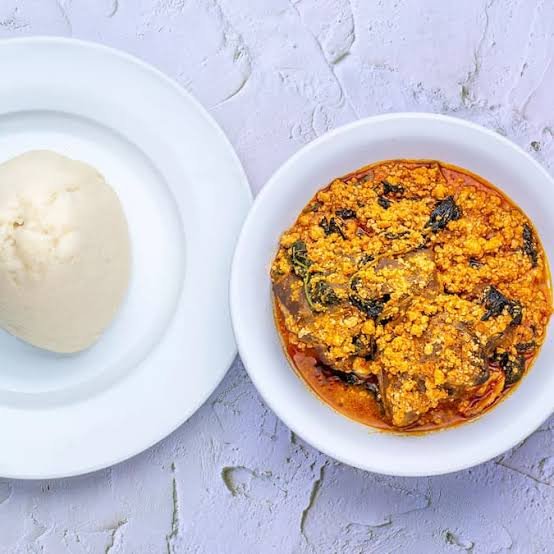
Nigerian egg sauce, sometimes called egg stew, takes something as basic as scrambled eggs and turns it into a genuinely flavorful meal, built on the same pepper and onion base that shows up across so much of Nigerian cooking. It’s fast, forgiving, and one of the first things a lot of people learn to cook on their own.
What Nigerian Egg Sauce Actually Is
Unlike a plain scramble, Nigerian egg sauce starts with a proper base, blended tomatoes, peppers, and onions, fried down until it thickens and deepens in flavor, and the eggs are then scrambled directly into that base rather than being cooked separately and served alongside it. The result is closer to a light stew with eggs running through it than to a Western style omelet or scramble, and it’s substantial enough to be a full meal rather than just a breakfast side.
How to make Nigerian Egg sauce/ Egg stew
Ingredients
Serves 2 to 3
- 4 to 5 eggs
- 2 tomatoes
- 1 red bell pepper
- 1 to 2 scotch bonnet peppers, to taste
- 1 onion, divided
- 2 to 3 tablespoons vegetable oil
- 1 seasoning cube
- Salt to taste
How to Make Nigerian Egg Sauce
- Blend the tomatoes, bell pepper, scotch bonnet, and half the onion together into a smooth or slightly coarse base, depending on your preference.
- Heat the oil in a pan and fry the remaining chopped onion until soft and fragrant.
- Pour in the blended pepper mixture and fry for 8 to 10 minutes, stirring occasionally, until it thickens and the raw tomato smell fades. This step matters more than it looks. A base that hasn’t cooked down enough leaves the final dish watery.
- Crumble in the seasoning cube and add salt to taste.
- Crack the eggs directly into the pan and scramble them into the pepper base, stirring continuously until just set. Avoid overcooking, since the eggs continue cooking slightly even off the heat.
- Serve immediately, ideally while still warm.
What Makes This Different from a Regular Scramble
The pepper base is really the whole point. A regular scramble is built around the eggs themselves, with seasoning added on top. Nigerian egg sauce inverts that, the sauce is cooked properly first as its own thing, and the eggs are almost a finishing step folded into an already flavorful base. That’s why rushing the pepper reduction is the most common way this dish goes wrong. Everything downstream depends on that base actually being cooked down properly first.
What to Eat It With
Nigerian egg sauce is commonly eaten with plain bread, similar to how it might function as a breakfast dish in a Western context, but it’s just as often served with boiled yam or plantain for a more substantial meal. It works at any time of day, which is part of its appeal as a genuinely flexible, quick option.
Making This Outside Nigeria
This is about as accessible as a Nigerian dish gets in terms of sourcing. Every single ingredient, eggs, tomatoes, bell pepper, onion, is a completely standard item at any regular supermarket across the US, UK, or Canada. Scotch bonnet pepper is the one ingredient that might require a specific stop at an international grocery aisle or African grocery store if your regular supermarket doesn’t stock it, though a milder chili or even a dash of cayenne works as a reasonable substitute if scotch bonnet genuinely isn’t available.
Quick Questions
What’s the difference between Nigerian egg sauce and egg stew? They’re generally the same dish referred to by two different names, both describing eggs scrambled into a cooked pepper and tomato base.
Can I make this less spicy? Yes, easily. Reduce or remove the scotch bonnet pepper, since the heat is entirely adjustable without changing the core structure of the dish.
Is Nigerian egg sauce a breakfast dish? It’s commonly eaten at breakfast, but it’s flexible enough to work as a light lunch or dinner too, especially when paired with yam or plantain rather than bread.
Why did my egg sauce turn out watery? This almost always comes from not frying the pepper base down long enough before adding the eggs. Give it the full 8 to 10 minutes so it properly thickens first