 US,
US,  UK
UK  Canada
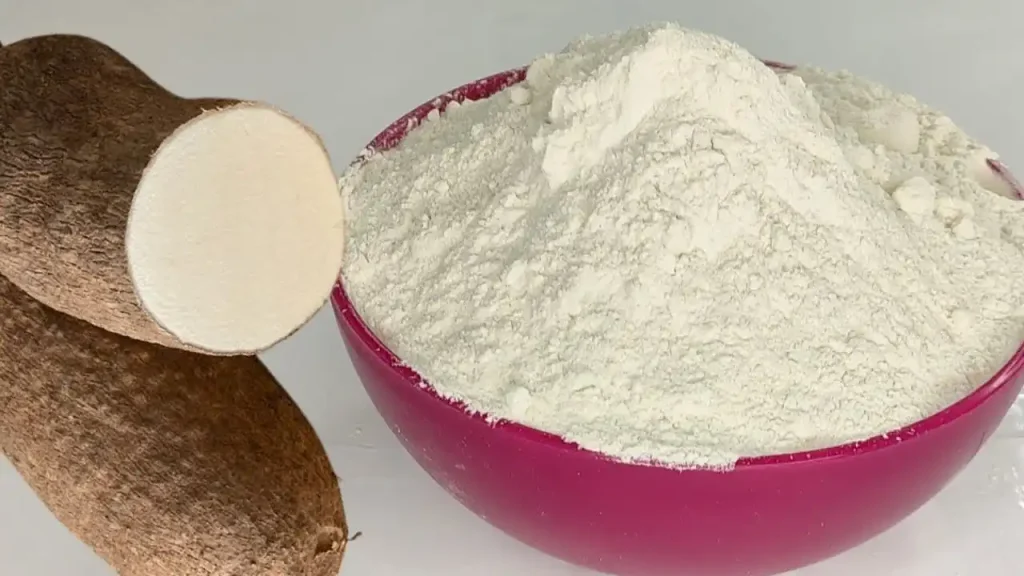
Yam flour gets confused with poundo yam flour constantly, and it’s worth clearing up the difference right away. Poundo yam flour, already covered in our pounded yam guide, is used to recreate pounded yam’s smooth, stretchy texture. Yam flour, the subject of this article, is used to make a completely different swallow: amala.
What Yam Flour Actually Is
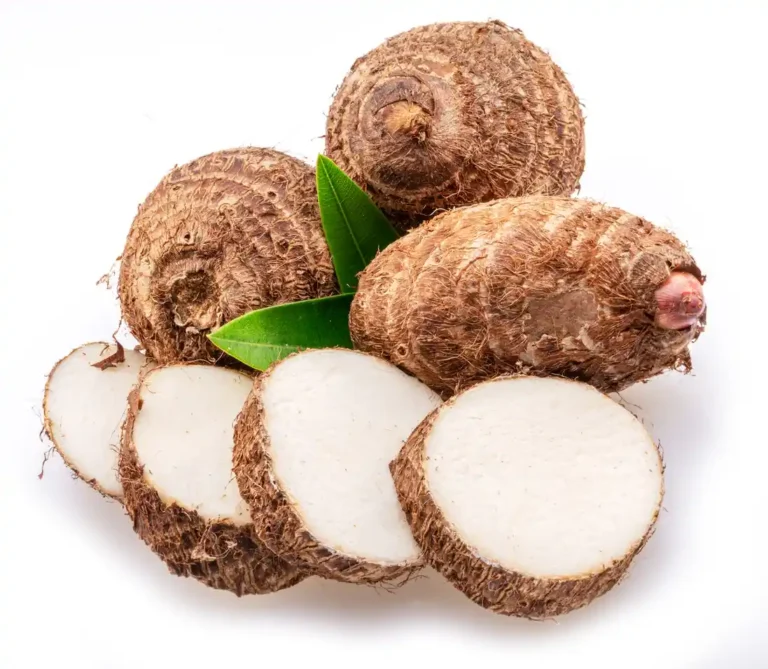
Yam flour, sometimes called elubo isu, is made by peeling, slicing, and drying yam before grinding it into a fine flour. It’s typically darker in color than poundo yam flour, closer to a light brown or tan, and it’s specifically associated with amala, a smooth, dark swallow that’s genuinely distinct in both color and flavor from pounded yam, despite both starting from the same root vegetable.
Yam Flour vs Poundo Yam Flour
This is the core confusion worth resolving clearly. Poundo yam flour is processed to reconstitute into something close to traditional pounded yam, pale in color and mild in flavor. Yam flour for amala goes through a different drying process that darkens the color considerably and produces a more pronounced, slightly earthy flavor once cooked. The two aren’t interchangeable in a recipe, using yam flour where a recipe calls for poundo yam flour, or the reverse, will produce a noticeably different color and taste than intended.
How Amala Is Made from Yam Flour
- Bring water to a boil.
- Gradually add the yam flour while stirring continuously, adjusting the amount until the mixture reaches a smooth, stretchy consistency, similar in technique to making eba or semovita.
- Continue stirring and folding for a minute or two to work out any lumps.
- Shape into a smooth mound and serve warm.
Amala is traditionally associated with Yoruba cuisine specifically and is often paired with ewedu and gbegiri, a combination sometimes called “amala and ewedu” that shows up together on menus across southwestern Nigeria.
A Note on Plantain Flour and Elubo
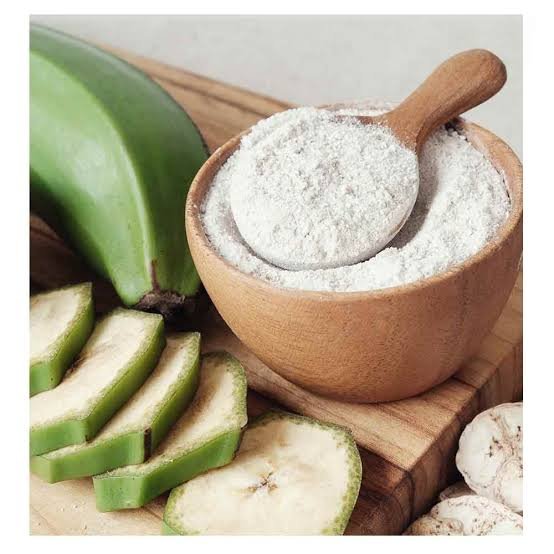
Some versions of elubo blend yam flour with plantain flour, which slightly changes the color and flavor of the finished amala. Whether a household uses pure yam flour or a blend really comes down to personal or regional preference, both are considered legitimate, traditional approaches rather than one being more correct than the other.
Finding Yam Flour in the USA, UK, and Canada
African grocery stores are the most reliable source across all three countries, typically stocked in the same section as other swallow flours, though it’s worth double checking the label specifically says “yam flour” or “elubo” rather than accidentally picking up poundo yam flour if amala is what you’re after. Our Where to Buy guides cover country specific sourcing details.
Amala’s Place in Yoruba Cuisine
Amala holds a genuinely central place in Yoruba food culture specifically, closely tied to southwestern Nigeria in a way that distinguishes it from more nationally common swallows like garri or pounded yam. Restaurants and local eateries known as “buka” across cities like Lagos and Ibadan often build their reputation specifically around their amala and accompanying soups, and the dish carries a certain everyday, beloved status there similar to how a specific regional comfort food might function in other food cultures. Outside that region, amala is still widely eaten and appreciated, but it’s genuinely seen as a Yoruba specialty first, a distinction worth knowing since it shapes both where you’ll find the best versions in Nigeria and which households are most likely to make it regularly.
Quick Questions
Is yam flour the same as poundo yam flour? No, they’re different products despite both coming from yam. Poundo yam flour recreates pounded yam’s texture and mild flavor. Yam flour is specifically for amala, darker and more pronounced in flavor.
What is amala made of? Amala is made by cooking yam flour (sometimes blended with plantain flour) in hot water until it forms a smooth, dark, stretchy swallow.
Why is amala dark colored while pounded yam is pale? The difference comes from how each flour is processed. Yam flour for amala goes through a drying process that darkens its color considerably compared to the lighter poundo yam flour used for pounded yam.
What soup is amala traditionally eaten with? Ewedu and gbegiri are the most traditional pairing, commonly served together as a combination associated with Yoruba cuisine specifically.