 US,
US,  UK
UK  Canada
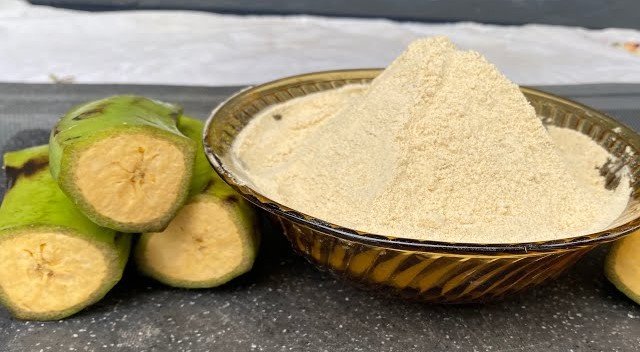
Plantain flour occupies an interesting spot on this site’s ingredient list, genuinely useful for traditional Nigerian cooking, but also increasingly popular in gluten-free and health focused circles that have nothing to do with Nigerian food at all. Both audiences end up searching for the same product for very different reasons.
What Plantain Flour Actually Is
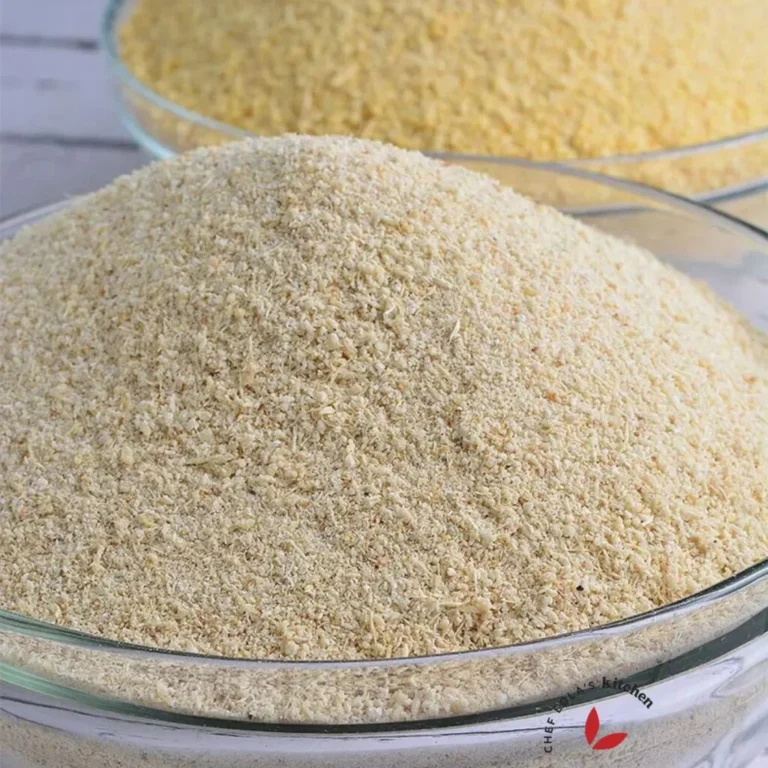
Plantain flour is made by drying unripe green plantains and grinding them into a fine powder. Unlike ripe plantain, which is sweet and often fried, the green plantain used for flour is starchy and neutral, closer in character to a root vegetable than a fruit at that stage. The result is a pale, slightly earthy flour that behaves differently from wheat flour, denser and without gluten, which is exactly why it’s found a second audience well beyond Nigerian kitchens.
How It’s Used in Nigerian Cooking
Plantain flour’s biggest traditional role is as one of the components in elubo, the yam flour and plantain flour blend used to make certain versions of amala, the smooth, stretchy swallow eaten with soup the same way fufu or eba would be. Depending on the household and region, amala might be made purely from yam flour, purely from plantain flour, or a blend of both, with plantain flour versions sometimes having a slightly darker color and a subtly different flavor than the yam only version.
Beyond swallow preparations, plantain flour also shows up in porridge style dishes, and increasingly in baking, where it’s used as a wheat flour alternative in pancakes, flatbreads, and other recipes that benefit from its naturally gluten-free structure.
Is Plantain Flour Good for a Gluten-Free Diet?
Yes, genuinely. Plantain flour contains no gluten at all, which makes it a real option for anyone avoiding gluten for dietary or health reasons, not just a token substitute. It also carries a reasonable amount of fiber and resistant starch, a type of starch that behaves somewhat differently in digestion than more refined flours. That said, like most flour alternatives, it has its own distinct texture and flavor, so recipes built specifically for wheat flour don’t always translate directly, and results tend to be best in recipes designed with plantain flour in mind from the start rather than a straight one to one swap.
Buying Plantain Flour in the USA, UK, and Canada
African grocery stores are the most reliable source across all three countries, typically stocking it alongside cassava flour and other traditional swallow flours. It’s also increasingly available through health food stores and online retailers that focus on gluten-free products, reflecting that second audience mentioned earlier. Our Where to Buy guides cover country specific sourcing if you’re not sure where to look first.
What Can I Substitute for Plantain Flour?
If a recipe specifically calls for plantain flour and you can’t find it, the right substitute depends on what you’re making. For amala or swallow style dishes, yam flour alone is the most authentic substitute, since it’s commonly used on its own anyway. For baking applications, cassava flour is generally a closer substitute than a grain based gluten-free flour, since both share a similar starchy, neutral character, though neither is a perfect match.
Why Two Very Different Audiences Search for This
It’s worth understanding why plantain flour shows up in such different corners of the internet. Within Nigerian cooking, it’s a traditional ingredient tied to a specific dish and a specific regional preference, something a household either grew up using or didn’t. Outside that context, it’s been picked up by the broader gluten-free and whole food community as a genuinely useful alternative flour, discussed alongside things like cassava flour and green banana flour in a completely different conversation about diet and nutrition. Both groups are technically buying the same product, but for reasons that rarely overlap, which is part of why you’ll find it stocked in two very different sections depending on where you shop, the African grocery aisle in one store, the health food or gluten-free section in another.
Quick Questions
Is plantain flour the same as banana flour? No, though they’re often confused. Plantain flour comes from green plantains, which are starchier and less sweet than bananas even at the unripe stage, giving the two flours a genuinely different flavor and cooking behavior.
What is plantain flour used for in Nigerian cooking? Its main traditional role is as a component of elubo, used to make certain versions of amala. It’s also used in some porridge dishes and increasingly in gluten-free baking.
Is plantain flour healthy? It’s naturally gluten-free and contains fiber and resistant starch, making it a genuinely reasonable option within a balanced diet, though like any flour, portion and overall diet context matter more than any single property of the ingredient itself.
Can I use plantain flour instead of wheat flour in any recipe? Not directly. Plantain flour behaves differently from wheat flour, denser and without gluten’s binding properties, so it works best in recipes specifically developed for it rather than as a straight substitute in a standard wheat flour recipe.