 US,
US,  UK
UK  Canada
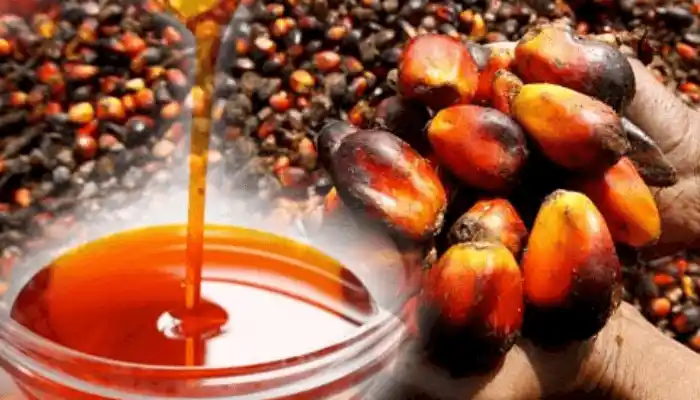
Open almost any pot of Nigerian soup and you’ll find the same reddish orange base underneath everything else. That color comes from one ingredient: red palm oil. It’s not a garnish or a background note. In dishes like egusi soup and banga soup, it’s the foundation the entire dish is built on.
What Makes It “Red”
Red palm oil comes from the fruit of the oil palm tree, pressed and left unrefined, which is exactly what gives it that deep orange-red color. This is different from the pale, nearly clear palm oil sold in many Western grocery stores, which has been refined and bleached for a milder flavor and neutral appearance. If a recipe calls for red palm oil and you end up with the refined version by mistake, the dish will still work, but it won’t have the same color or the same rich, slightly earthy flavor the unrefined version brings.
How It’s Actually Used in Nigerian Cooking
Red palm oil isn’t just cooking oil in the way vegetable or canola oil might be used elsewhere. It’s a flavor ingredient in its own right. In soups like egusi, ogbono, and banga, it’s heated first and used as the base everything else builds on top of, contributing color, richness, and a taste that’s genuinely difficult to replace with a neutral oil. In dishes like ofada stew, the oil itself is deliberately cooked and “bleached” through heat until it changes color, an entire technique built specifically around how this oil behaves under heat.
It also shows up in smaller amounts in dishes like efo riro, where it’s less about being the entire base and more about adding depth to a dish that’s otherwise built around fresh vegetables.
One practical thing worth knowing before you cook with it for the first time: red palm oil solidifies at room temperature, similar to coconut oil, and turns back to liquid once heated. This is completely normal and not a sign the oil has gone bad, though it does mean a jar that’s been sitting in a cool kitchen might need a few minutes of gentle warming before it pours easily.
Is Red Palm Oil Good for You?
This comes up often enough to address directly. Red palm oil is high in saturated fat, similar to coconut oil, but it also contains vitamin E and carotenoids (the same family of compounds that give carrots their color), which refined vegetable oils typically lack. Like most cooking fats, moderation is the practical guidance rather than treating it as either a superfood or something to avoid entirely. The nutritional picture is genuinely mixed, and how it fits into your diet depends on your overall eating pattern more than any single property of the oil itself.
Buying Red Palm Oil in the USA, UK, and Canada
The most important thing to check on the label is whether you’re actually getting unrefined red palm oil, since some products sold in Western markets are refined despite still being labeled “palm oil.” Look specifically for “red palm oil” or “unrefined” on the packaging. African grocery stores are the most reliable source across all three countries, and our Where to Buy guides cover exactly where to find it by country, along with notes on which brands tend to be genuinely unrefined versus which ones aren’t.
Organic red palm oil is available but less common, usually at a noticeably higher price point, and worth it mainly if organic sourcing is already a priority for how you cook generally.
When You Can’t Find It
Red palm oil doesn’t have a perfect substitute. Regular vegetable oil will get a dish cooked, but it won’t bring the color or the specific flavor red palm oil contributes. Some cooks use a small amount of paprika or annatto oil alongside a neutral oil to approximate the color, though this is a workaround rather than a true replacement. This is exactly the kind of situation our upcoming Ingredient Substitutes guide is meant to address in more detail, since the right substitute really depends on which specific dish you’re making and whether color, flavor, or both matter most for that particular recipe. If sourcing it locally is genuinely difficult, ordering online from an African grocery retailer that ships nationwide is usually more realistic than trying to recreate the flavor from scratch.
Where Red Palm Oil Comes From
West Africa has been producing and using palm oil for thousands of years, long before it became a globally traded commodity oil used in everything from processed food to cosmetics. The distinction matters: the mass-market palm oil found in countless packaged products worldwide is almost always the refined kind, produced at industrial scale and stripped of the color and flavor that define the traditional version. What Nigerian cooking relies on is closer to the original product, pressed and used in something closer to its natural state. That difference in processing is really the whole story behind why red palm oil tastes and looks so different from what most people encounter as “palm oil” in a general grocery context.
Quick Questions
Is red palm oil the same as regular palm oil? Not quite. Red palm oil is unrefined and keeps its natural color and flavor. The paler palm oil found in many regular supermarkets has been refined and bleached, losing much of what makes red palm oil distinct.
Why does Nigerian cooking use so much palm oil? It’s a foundational flavor ingredient in soups like egusi, ogbono, and banga, contributing color, richness, and a taste that other oils don’t replicate. It’s less about cooking function and more about being a core part of the dish’s identity.
Can I substitute a different oil for red palm oil? You can, and the dish will still be edible, but you’ll lose the color and much of the characteristic flavor. There isn’t a true one-to-one substitute, which is part of why it’s worth sourcing the real thing if you’re aiming for an authentic result.
Is red palm oil healthy? It’s high in saturated fat but also contains vitamin E and carotenoids that refined oils typically don’t have. Like most fats, it’s best thought of in moderation rather than as clearly good or bad on its own.