 US,
US,  UK
UK  Canada
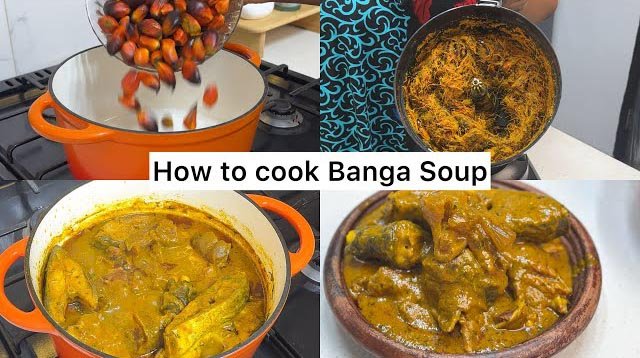
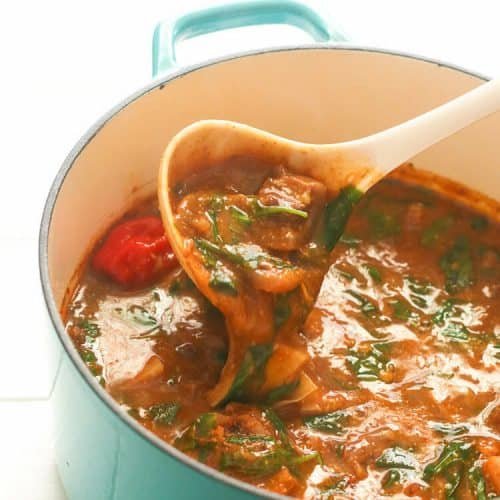
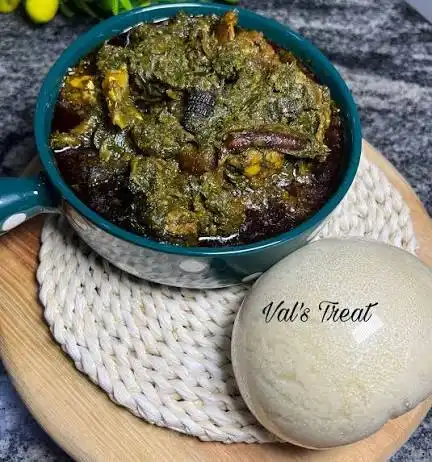
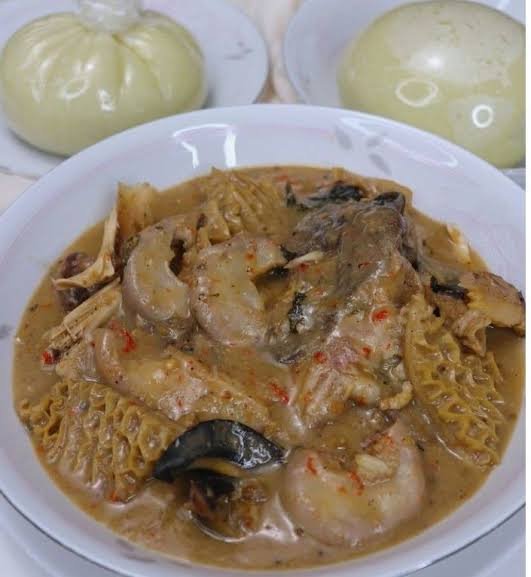
Banga soup is the signature dish of Nigeria’s Niger Delta region — a rich, deeply savory soup built entirely around fresh palm fruit rather than the seeds or leaves that define most other Nigerian soups. If you grew up eating this in an Urhobo, Itsekiri, or Delta household, or you’re simply curious what it is, here’s everything you need to know, including how to make it wherever you’re currently living.
What Is Banga Soup?
Banga soup is a Nigerian soup made from the extract of fresh palm fruit, cooked down into a rich, orange-red base and combined with meat, fish, spices, and a distinctive blend of local seasonings. It’s the defining dish of the Niger Delta region, particularly associated with the Urhobo, Itsekiri, and Isoko peoples of Delta State, though it’s eaten and loved well beyond that region today.
Unlike egusi or ogbono soup, which use ground seeds as their thickening base, banga soup gets its body and flavor directly from palm fruit pulp — the same fruit palm oil is extracted from, but used here in a much more concentrated, unrefined form. This gives banga soup a richer, more intense palm flavor than any dish made with regular palm oil alone.
Where Does Banga Soup Come From?
Banga soup originates in the Niger Delta region of southern Nigeria, an area where oil palm trees grow abundantly and have shaped the local cuisine for generations. It’s considered one of the signature dishes of Delta State specifically, deeply tied to Urhobo and Itsekiri culinary tradition, and is often served at important cultural events and gatherings in the region. As with many regional Nigerian dishes, it has since spread nationwide and is now a familiar, beloved soup across the country and among the diaspora.
HOW TO COOK AUTHENTIC BANGA SOUP WITH REAL PALM KANNEL NUT
What Is Banga Soup Made Of?
Serves 4–6
- 2 cups fresh palm fruit extract (or canned/frozen banga fruit concentrate, widely used outside Nigeria)
- 1 lb assorted meat (beef, goat meat, or tripe), cut into chunks
- 1/2 lb dried or smoked fish
- 1/2 lb fresh fish, optional
- 1 medium onion, chopped
- 2–3 scotch bonnet peppers, blended or chopped
- Banga spice blend (a mix of local spices — see below)
- Ground crayfish
- Beletete or oburunbebe leaves, traditionally used for their distinct flavor and slight thickening effect (optional if unavailable)
- Seasoning cubes and salt to taste
A note on the banga spice blend: authentic banga soup traditionally includes a specific spice mix that can include ataiko, obenetete, and other regional spices not always available outside Nigeria. Pre-made “banga spice” blends, sold specifically for this soup, are increasingly available at African grocery stores and are a practical, widely accepted shortcut for households outside the Niger Delta region itself.
How to cook Banga soup abroad using processed palm nut
How to Make Banga Soup
- Extract or prepare the palm fruit base. Traditionally, this means boiling and pounding fresh palm fruit to release the pulp, then straining out the fibers and nuts to get a thick, concentrated extract. Most households today — including many in Nigeria — use pre-made canned or frozen banga fruit concentrate instead, which skips this labor-intensive step entirely.
- Season and boil the meat. Place your assorted meat in a pot with chopped onion, a seasoning cube, and salt. Cover with water and boil until tender, reserving the stock.
- Cook the palm fruit extract. Pour the extract into a pot and bring it to a simmer, cooking it down until the oil begins to visibly separate and rise slightly to the surface — this is a sign the base is developing properly.
- Add the banga spice blend and pepper. Stir in the banga spice mix and blended scotch bonnet pepper, allowing the flavors to meld into the palm base.
- Add the meat, fish, and crayfish. Stir in the cooked meat, dried fish, fresh fish, and ground crayfish. Add a second seasoning cube and adjust salt to taste.
- Simmer until it thickens. Let the soup cook down for 20–30 minutes, stirring occasionally, until it reaches a thick, rich consistency with the oil clearly visible on top.
- Add the beletete leaves, if using, during the final few minutes of cooking.
- Serve hot with starch (a smooth cassava-based swallow specific to Niger Delta cuisine), fufu, or garri.
What Does Banga Soup Taste Like?
Banga soup has a rich, slightly bitter, deeply savory flavor unlike any other Nigerian soup — the concentrated palm fruit base gives it an intensity that regular palm oil alone doesn’t achieve. It’s often described as having a distinctive, slightly smoky depth from the spice blend, layered over the soup’s naturally rich, oily body. It’s a heavier, more indulgent soup than something like efo riro, closer in richness to egusi or ogbono.
Banga Soup vs. Other Nigerian Soups
Banga soup stands apart from the other soups on this site in one key way: its base comes from the fruit itself, not a ground seed or leafy vegetable.
- Egusi soup and ogbono soup both use ground seeds as a thickening base.
- Banga soup uses concentrated palm fruit extract as its base, giving it a distinctly different, richer, and more intensely palm-forward flavor.
Despite the different base, banga soup is eaten the exact same way as the others — with a swallow, scooped rather than spooned.
Tips for Getting Banga Soup Right
- Let the extract cook down properly before adding other ingredients. Rushing this step is the most common mistake — the oil separating and rising to the surface is a visual cue that the base has developed enough richness, and skipping ahead leaves the soup tasting thin.
- Balance the bitterness. Banga soup has a naturally slight bitterness from the palm fruit and traditional spice blend; most recipes balance this with a good amount of crayfish and well-seasoned stock rather than trying to eliminate the bitterness entirely, since it’s part of the dish’s characteristic flavor.
- Banga rice is a related but distinct dish worth knowing about. Made using the same palm fruit extract as a cooking liquid for rice rather than a soup base, banga rice is a popular one-pot alternative when you want the flavor of banga without the full soup preparation.
Making Banga Soup in the Diaspora vs. Back Home
- Canned or frozen banga fruit concentrate is the practical standard, not a compromise. Fresh palm fruit is essentially impossible to source outside West Africa, but canned and frozen concentrate, imported specifically for this purpose, is stocked at most well-supplied African grocery stores in the US, UK, and Canada and produces genuinely authentic results.
- Pre-made banga spice blends solve the hardest ingredient problem. The traditional local spices used in an authentic blend are difficult to source individually outside Nigeria, so a pre-made banga spice mix is the realistic option for nearly everyone cooking this dish in the diaspora.
- Beletete leaves are the one ingredient you may just have to skip. They’re genuinely hard to find outside Nigeria and parts of West Africa. The soup remains authentic and flavorful without them — many households simply cook it without this specific leaf when it’s unavailable.
- This is a good “special occasion” dish for the diaspora, given the extra effort involved compared to something like garri — a good choice when you want to recreate a specific regional taste of home rather than a quick weeknight meal.
Finding Banga Soup Ingredients in the USA, UK, and Canada
Canned or frozen banga fruit extract, along with pre-made banga spice blends, are increasingly stocked at well-supplied African grocery stores in major cities across all three countries, and available through several online African grocery retailers that ship nationwide. Because banga soup ingredients are somewhat more specialized than staples like garri or cassava flour, availability can vary more by store than with other dishes on this site — it’s worth checking with a specific African grocer or online retailer if your local store doesn’t carry it. (See our full guides to finding Nigerian pantry ingredients in the USA, UK, and Canada.)