 US,
US,  UK
UK  Canada
Short answer: in most contexts, they’re the same thing. Afang is the soup’s name; okazi is the leaf’s other common name. Here’s where it gets more specific.
What They Actually Are
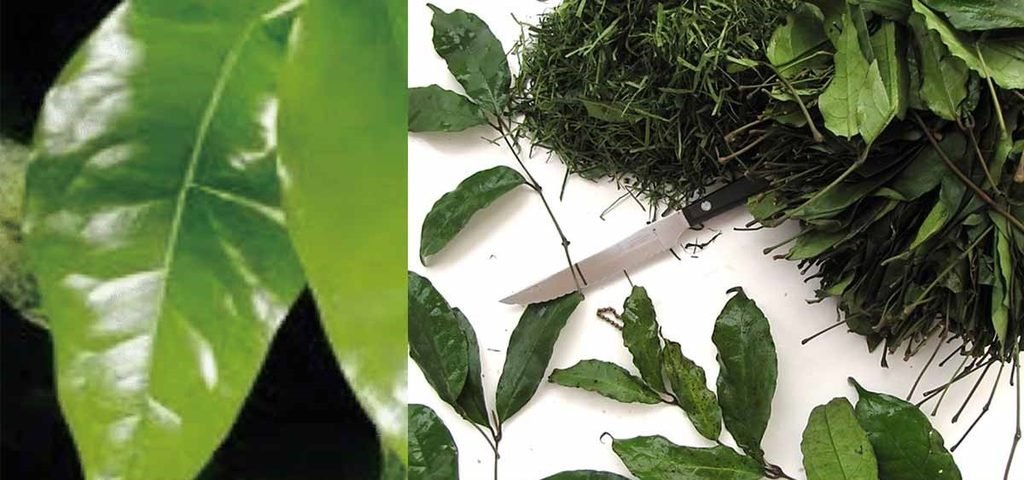
Both names refer to the leaves of Gnetum africanum, a tough, fibrous vine leaf used in afang soup. “Okazi” is the more common name for the raw leaf itself in a lot of markets and grocery stores. “Afang” technically refers to the soup, but gets used loosely for the leaf too, especially once it’s already associated with that dish. You’ll see both names used for the same product, sometimes on the same store shelf.
Why the Names Get Mixed Up
Regional naming. Different parts of Nigeria and different communities settled on different names for the same plant over time, and neither is more “correct” than the other. If you’re shopping and see “okazi leaves” or “afang leaves,” assume it’s the same product unless the packaging says otherwise.
How It’s Used
Finely sliced or shredded — this leaf doesn’t soften like a tender green, so thin slicing is non-negotiable if you want the right texture. It’s the defining ingredient in afang soup, and shows up in smaller amounts in ofe owerri alongside other vegetables.
What It Tastes Like
Slightly bitter, with a chewy texture that holds up even after cooking — different from softer greens like ugu or spinach, which cook down completely. That chewiness is part of what makes afang soup recognizable.
Buying It in the US, UK, or Canada
African grocery stores carry it, usually frozen and pre-shredded, sometimes fresh in bundles. Pre-shredded frozen is genuinely the easier route — slicing it thin enough by hand is real work, and the frozen version skips that step entirely without hurting the final dish.
Frequently Asked Questions
Is afang leaf the same as okazi leaf? In most everyday use, yes — same plant, two common names, used interchangeably depending on the region or store.
What is afang leaf used for? Mainly afang soup, where it’s finely sliced and cooked with waterleaf, meat, and fish. Smaller amounts also show up in ofe owerri.
Why does afang leaf need to be sliced so thin? It’s a tough, fibrous leaf that doesn’t soften the way milder greens do. Thicker slices stay noticeably chewy after cooking.
Can I buy pre-shredded afang leaf? Yes, and it’s the more practical option outside Nigeria — pre-shredded frozen afang/okazi leaf saves the most labor-intensive step in the whole recipe.
Where do you buy afang or okazi leaf outside Nigeria? African grocery stores, usually in the frozen section. Availability varies more than common staples like ugu, so it’s worth checking a well-supplied store or an online African grocery retailer.