 US,
US,  UK
UK  Canada
Nigerian Spice
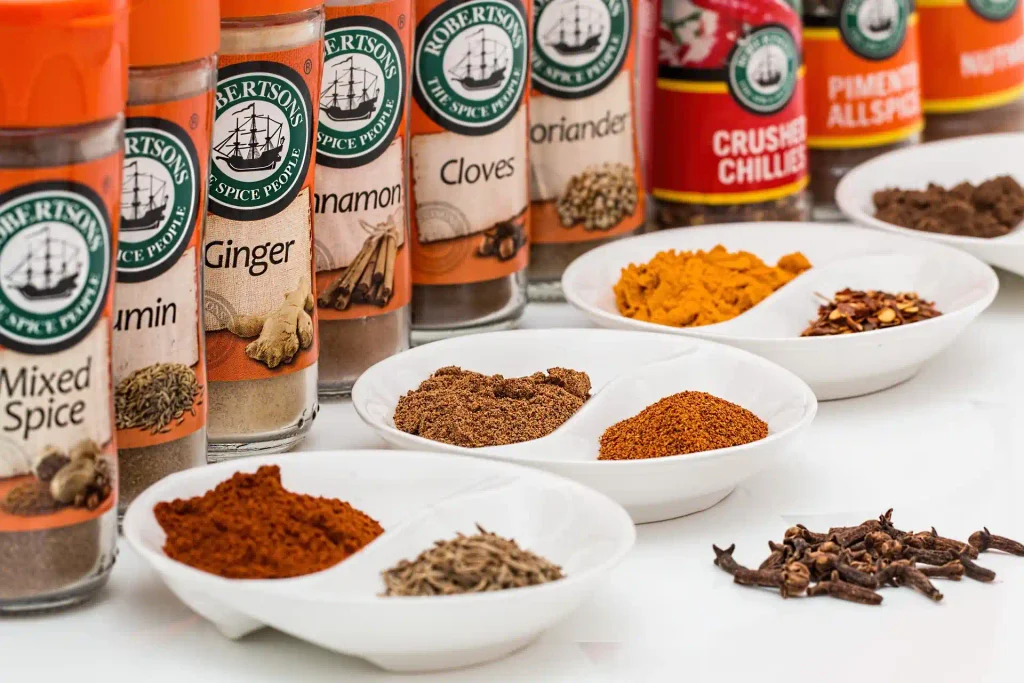
Nigerian cooking has a flavor identity you can spot immediately — warm, earthy, layered, with a heat that builds rather than hits all at once. That identity comes almost entirely from a specific set of spices, many of which don’t show up in a regular Western spice rack at all. Here’s a complete rundown of 30 spices and seasonings that show up across Nigerian kitchens, what each one actually does, and where you’ll find it if you’re cooking outside Nigeria.
Traditional Nigerian Spices You Won’t Find at a Regular Supermarket
These are the spices that genuinely define Nigerian cooking — the ones worth a dedicated trip to an African grocery store.
1. Suya Spice (Yaji) — A ground blend built on roasted peanuts, ginger, garlic, and cayenne, used to coat grilled meat. It’s the single most recognizable Nigerian spice blend outside Nigeria. Full guide →
2. Alligator Pepper (Atare) — Sharp, peppery seeds from a ginger-family plant, used both in cooking and in traditional ceremonies alongside kola nut. Full guide →
3. Uziza (Seeds and Leaf) — Two different ingredients from one plant: the leaf is a mild cooking green, the seed is a warming, aromatic pepper used in dishes like pepper soup and nsala. Full guide →
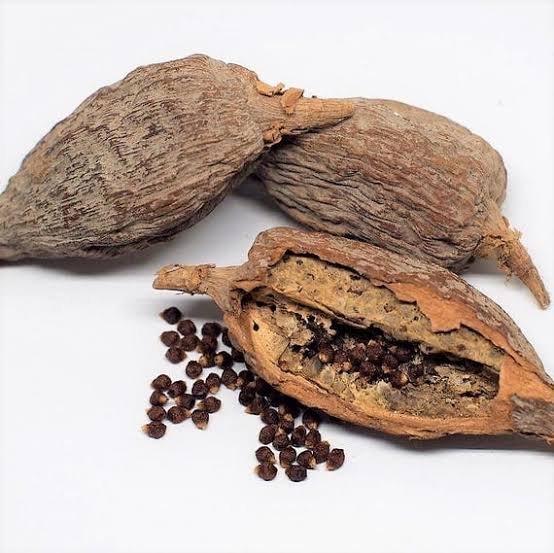
4. Uda (Negro Pepper) — A dried, elongated pod with a sharp, slightly smoky bite, one of the core ingredients in traditional pepper soup spice blends. It’s typically ground or lightly crushed before use, and its flavor is often described as somewhere between black pepper and clove — distinctive enough that pepper soup made without it tastes noticeably flatter to anyone used to the real thing.
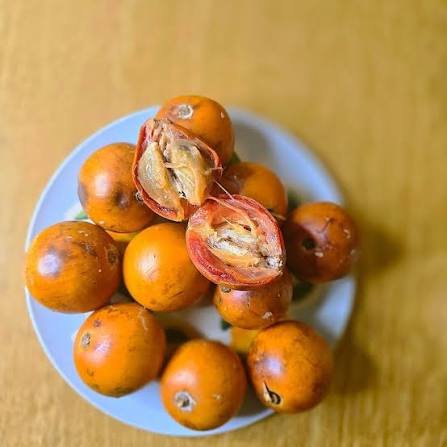
5. Ehuru (Calabash Nutmeg) — Related to regular nutmeg but with a stronger, more medicinal aroma, used in pepper soup and some traditional remedies. Whole ehuru seeds are usually roasted lightly before grinding, which mellows some of the sharper edges of the raw seed and brings out a warmer, more rounded flavor.
6. Pepper Soup Spice Blend — A pre-mixed combination of uda, uziza, ehuru, and alligator pepper, sold specifically for making pepper soup. Full guide →
7. Iru (Locust Beans) — Fermented locust bean seeds with a strong, distinctive umami depth, used in efo riro and other Yoruba dishes. Sold fresh, dried, or as a paste, and the smell alone is a genuine adjustment for anyone encountering it for the first time — pungent and sharp on its own, but it mellows significantly once cooked into a dish, adding a savory backbone that’s hard to replicate with anything else.
8. Ogiri — Another fermented seasoning, made from fermented castor or sesame seeds, used similarly to iru but with an even more pungent, intense flavor — a little goes a long way. Traditionally more associated with Igbo cooking than iru, which leans more Yoruba, though both show up across the country depending on the household.
9. Dawadawa — Essentially the Hausa/northern Nigerian name for a fermented locust bean seasoning very close to iru; regional naming rather than a different ingredient, similar to how garri and cassava flour overlap in some contexts.
10. Ataiko — A traditional spice used in some regional pepper soup blends, less common outside specialty stores, and rarely sold on its own rather than as part of a pre-made mix.
11. Obenetete — Another traditional pepper soup spice component, often included in pre-made blends rather than bought individually — most people cooking outside Nigeria will encounter this only as one ingredient among several in a packaged spice mix, not as a standalone purchase.
Ground Crayfish and Dried Proteins Used as Seasoning
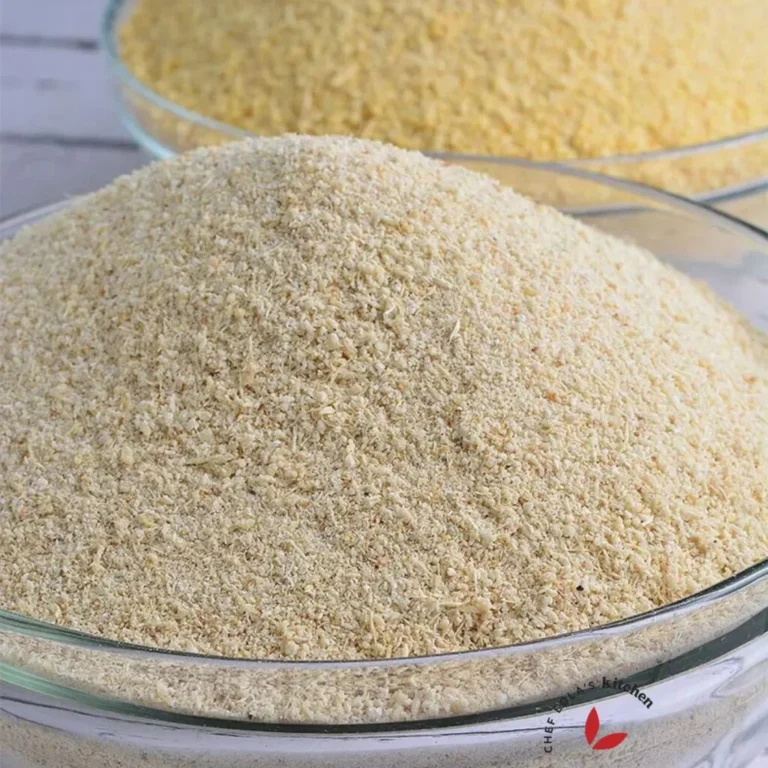
12. Ground Crayfish — Dried, ground crayfish used across nearly every Nigerian soup and stew for savory depth. Arguably the single most-used seasoning in Nigerian cooking after salt and pepper.
13. Stockfish (as a flavoring agent) — Beyond being a protein, dried stockfish contributes a distinctive umami flavor to the broth of soups like egusi and ogbono, functioning almost like a seasoning in its own right.
Fresh and Ground Peppers
14. Scotch Bonnet Pepper (Ata Rodo) — The default heat source in most Nigerian dishes, fruity and sharp rather than a flat, one-note burn.
15. Cameroon Pepper (Ata Wewe) — A smaller, often hotter pepper variety used interchangeably with scotch bonnet in some households, valued for its intensity.
16. Cayenne Pepper — A dried, ground pepper used when fresh scotch bonnet isn’t available, or to add extra heat to a dish that needs it.
17. Black Pepper — Used more sparingly than in Western cooking, often layered alongside other peppers rather than as the primary heat source.
18. White Pepper — Occasionally used in lighter dishes where black pepper’s visible specks aren’t wanted.
Fresh Aromatics
19. Ginger — Fresh or ground, used in suya spice, pepper soup, zobo, and countless marinades.
20. Garlic — A base aromatic in nearly every stew and soup, usually blended fresh with onion and pepper.
21. Onion — Both a base aromatic and, in some dishes, a garnish — red onion in particular for its sharper bite.
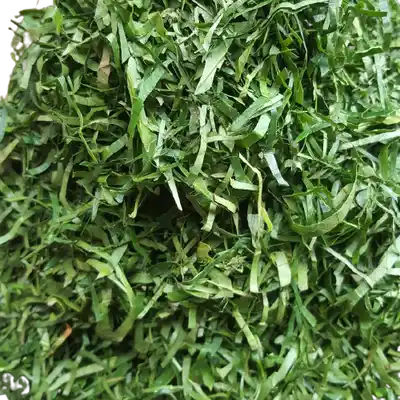
22. Scent Leaf (Efirin) — Technically an herb rather than a dried spice, but functions as a key flavoring ingredient, especially in pepper soup and egg sauce. Full guide →
23. Utazi Leaf — A slightly bitter leaf used in small quantities to season soups like nsala and bitter leaf soup, similar in role to a fresh herb.
Imported Spices Nigerian Cooking Has Adopted
These aren’t native to Nigeria, but they’ve become genuinely essential in Nigerian kitchens, often thanks to British colonial-era trade.
24. Curry Powder — A defining flavor in Nigerian fried rice and Nigerian stew, used far more heavily than in most other West African cuisines.
25. Dried Thyme — Almost always paired with curry powder in Nigerian cooking, showing up in stews, fried rice, and grilled meats.
26. Nutmeg — Used in baked goods like puff puff and chin chin, distinct from the ehuru (calabash nutmeg) used in savory pepper soup.
27. Bay Leaves — Added to stews and jollof rice for background depth, removed before serving.
28. Cloves — Occasionally used in zobo and some spice blends for warmth.
29. Cinnamon — Shows up in some zobo recipes and modern dessert adaptations, though it’s a more recent addition than the traditional spices above.
Seasoning Cubes
30. Seasoning Cubes (Maggi/Knorr) — Not a traditional spice, but functionally essential in modern Nigerian cooking — a concentrated bouillon cube used in nearly every savory dish for a quick, consistent umami base.
How Nigerian Spice Use Varies by Region
Not every household reaches for the same spices, and understanding why helps explain some of the confusion around overlapping names and ingredients.
Yoruba cooking (southwestern Nigeria) leans heavily on iru, scent leaf, and a generous use of scotch bonnet pepper — dishes like efo riro and amala rely on this combination for their characteristic depth.
Igbo cooking (southeastern Nigeria) favors ogiri, uziza, and utazi more prominently, alongside a stronger tradition of using ground crayfish and stockfish together as a flavor base — this shows up clearly in soups like bitter leaf soup and oha soup.
Hausa cooking (northern Nigeria) is where suya spice itself originates, alongside a heavier use of dried ginger and dawadawa rather than iru, reflecting the drier climate and different trade routes historically available in the north compared to the coast.
Niger Delta cooking brings in ingredients less common elsewhere, most notably the specific spice combinations used in banga soup, tied closely to the region’s palm oil production.
None of these boundaries are strict — plenty of households blend spices across regional lines, especially in cities where families from different parts of Nigeria live close together — but it’s a useful lens for understanding why one household’s version of a “traditional” spice blend might look different from another’s.
How to Build a Starter Nigerian Spice Collection
If you’re starting from zero, you don’t need all 30 at once. A realistic starter set covers most everyday cooking:
- Ground crayfish
- Curry powder and dried thyme
- Suya spice
- Pepper soup spice blend
- Scotch bonnet pepper (fresh or as a paste)
- Seasoning cubes
- Fresh ginger and garlic
From there, add iru, alligator pepper, and uziza once you’re cooking a wider range of soups — those three cover most of what separates “good” Nigerian cooking from truly traditional-tasting Nigerian cooking.
Buying Nigerian Spices in the USA, UK, and Canada
Most of the traditional spices on this list — iru, ogiri, uda, ehuru, alligator pepper, uziza — are only reliably found at African grocery stores, not regular supermarkets. The imported/adopted spices (curry powder, thyme, nutmeg, bay leaves) are stocked at any regular grocery store in all three countries, often for a fraction of the price you’d pay at a specialty store, so it’s worth splitting your shopping between the two rather than buying everything in one place.
Pre-made blends (suya spice, pepper soup spice) are the practical shortcut for nearly every household outside Nigeria — grinding and combining the individual traditional spices from scratch is a real project, and pre-made versions are widely available and produce genuinely good results. Brand quality does vary, though, more than with a simple single spice like thyme — it’s worth trying a couple of different suya spice or pepper soup spice brands before settling on a favorite, since the exact ratio of ingredients differs noticeably from one producer to the next.
If you’re outside a major city and don’t have a well-stocked African grocery store nearby, online African grocery retailers that ship nationwide are a completely legitimate primary source rather than a backup option — many people in smaller cities across the US, UK, and Canada do the bulk of their spice shopping this way as a matter of course, not as a last resort.
See our full Where to Buy guides for country-specific notes on sourcing every spice on this list.