 US,
US,  UK
UK  Canada
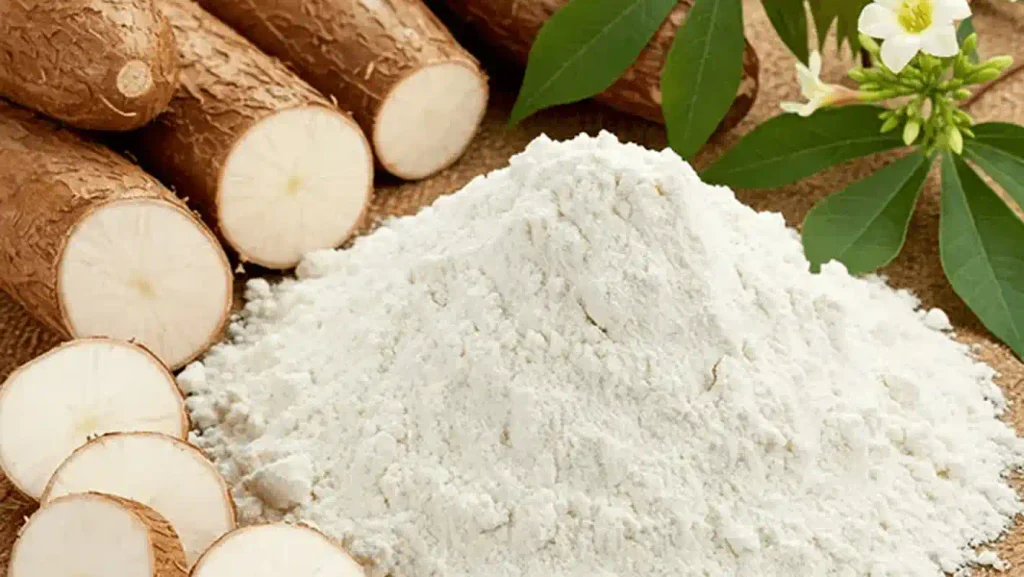
Cassava flour is one of the most versatile ingredients in Nigerian cooking, and one of the easiest to find outside Nigeria — but its exact role often gets confused with garri or fufu flour. This guide breaks down what cassava flour actually is, how it’s different from those other cassava products, what it’s used for, and where to find it if you’re in the USA, UK, or Canada.
What Is Cassava Flour?
Cassava flour is a fine, white powder made by drying and grinding the cassava root — a starchy tuber that’s a staple crop across Nigeria, West Africa, and much of the tropical world. Unlike garri, which is toasted and granular, cassava flour is smooth and fine, closer in texture to regular wheat flour.
In Nigerian households, cassava flour is most commonly used to make fufu: you mix it with hot water and stir until it forms a smooth, stretchy dough, which is then eaten with soup. Outside its traditional use, cassava flour has also become popular globally as a gluten-free, grain-free baking substitute, showing up in bread, pancakes, and cookie recipes far beyond Nigerian kitchens.
Cassava Flour vs. Garri vs. Fufu Flour: What’s the Difference?
These three all start from the same root, and the naming gets confusing fast — here’s how to tell them apart:
- Cassava flour is fine, smooth, and typically white. It’s the raw, unprocessed form you’d use to make fufu at home or substitute into baking recipes.
- Fufu flour is essentially the same product as cassava flour, sometimes fermented slightly for a more traditional tang, and marketed specifically for making the fufu swallow. On many grocery shelves, “cassava flour” and “fufu flour” are used almost interchangeably — check the package for whether it’s meant for baking or for swallow.
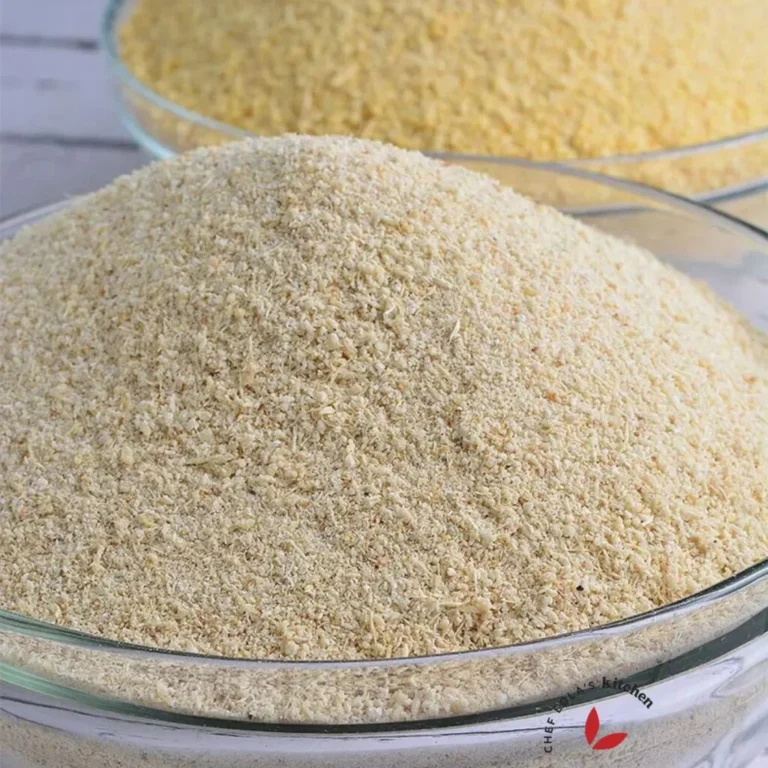
- Garri is toasted, granular, and coarser than cassava flour. It’s made through a different process (fermentation, then frying/toasting), giving it a distinct texture and slightly tangy flavor. Garri can be eaten cold, soaked in water as a snack, or turned into eba (a hot swallow) — but it isn’t a direct substitute for cassava flour in baking. Read our full guide to garri for more.
If a recipe calls for “fufu flour” and you can only find plain cassava flour (or vice versa), they can generally be used interchangeably for making fufu.
Is Cassava Flour Gluten-Free?
Yes. Cassava flour is naturally gluten-free, since it’s made entirely from the cassava root with no wheat involved. This has made it popular well beyond Nigerian and West African kitchens — it’s a common substitute in gluten-free and paleo baking in the US, UK, and Canada, often used as a 1:1 replacement for wheat flour in recipes like pancakes, tortillas, and cookies, though results vary depending on the specific recipe. If you’re looking for how to substitute it in a specific dish, see our cassava flour substitute guide.
Nutritional Overview
Cassava flour is primarily a carbohydrate source, similar to other root-based flours. It contains:
- A high starch content, making it energy-dense
- Naturally no gluten or grain-based allergens
- Resistant starch, which some studies associate with digestive and blood-sugar benefits, though this varies by how the flour is processed
- Relatively low protein and fat compared to grain flours
As with any starchy staple, portion size matters if you’re watching carbohydrate intake — cassava flour dishes like fufu are traditionally eaten alongside a nutrient-dense soup that balances out the meal with protein and vegetables.
How Is Cassava Flour Used in Nigerian Cooking?
- Fufu — the most common use. Cassava flour is stirred into boiling water until it thickens into a smooth, stretchy dough, then served with soup.
- Thickening agent — small amounts are sometimes used to thicken soups or stews.
- Baking — increasingly used in the diaspora for gluten-free versions of bread, pancakes, and pastries, often blended with other gluten-free flours for better texture.
If you want to try cooking with it beyond the traditional swallow, see our cassava flour recipes for pancake, bread, and baking ideas.
Where to Buy Cassava Flour in the USA
Cassava flour is widely available at African, Caribbean, and Latin American grocery stores in most major US cities, and increasingly stocked in the international or gluten-free baking aisle of larger supermarkets due to its popularity in paleo and gluten-free diets. It’s also sold through several online African grocery retailers that ship nationwide. (See our full guide to where to buy cassava flour in the USA.)
Where to Buy Cassava Flour in the UK
In the UK, cassava flour is a staple at African and Caribbean grocers, particularly in cities with large West African communities like London, Manchester, and Birmingham. It’s also sold online through UK-based African grocery delivery services for those outside major cities. (See our full guide to where to buy cassava flour in the UK.)
Where to Buy Cassava Flour in Canada
Canadian cities including Toronto, Ottawa, Calgary, and Edmonton have African grocery stores that stock cassava flour, often alongside garri and other cassava-based products. Online African grocery delivery has also expanded access for Nigerians in smaller Canadian cities. (See our full guide to where to buy cassava flour in Canada.)
Buying and Using Cassava Flour in the Diaspora vs. Back Home
A few things that are different about buying and cooking with cassava flour once you’re outside Nigeria:
- You’ll find it in two different aisles, sold to two different audiences. African grocery stores stock it as a swallow ingredient, right alongside fufu flour and garri. Mainstream supermarkets in the US, UK, and Canada increasingly stock it too — but in the gluten-free or paleo baking aisle, sold to a completely different customer who’s never heard of fufu. Same product, two markets; either one works for making fufu.
- “Cassava flour” and “fufu flour” aren’t always clearly labeled as the same thing. If a package just says “cassava flour” with no mention of fufu, it’s still almost always usable for making fufu — check the ingredient list rather than the marketing on the front.
- Price varies a lot depending on which aisle you buy it from. The gluten-free baking version at a mainstream supermarket is often pricier than the same product at an African grocery store, simply because of how it’s marketed and packaged.
One Comment