 US,
US,  UK
UK  Canada
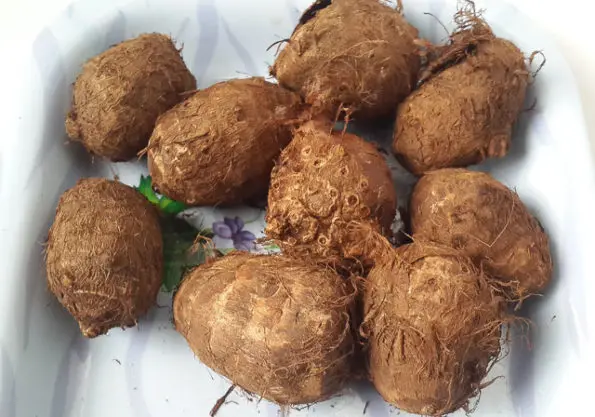
Cocoyam is what thickens oha soup and ofe owerri without using ground seeds or flour. If you’ve made either of those and wondered what the thickener actually was, this is it.
What Is It
Cocoyam is a starchy root vegetable — a tuber, similar in general category to yam or taro, though it’s its own distinct plant. In Nigerian cooking, it’s mainly used two ways: boiled and pounded into a paste to thicken soups, or the leaves are cooked as a vegetable on their own.
Cocoyam as a Thickener
This is its main job in Nigerian cooking. Boiled until soft, then pounded or blended into a smooth paste, cocoyam is what gives soups like oha and ofe owerri their thick, slightly stretchy body — same role palm fruit plays in banga soup, or ground seeds play in egusi, just a different source entirely.
Cocoyam Leaves
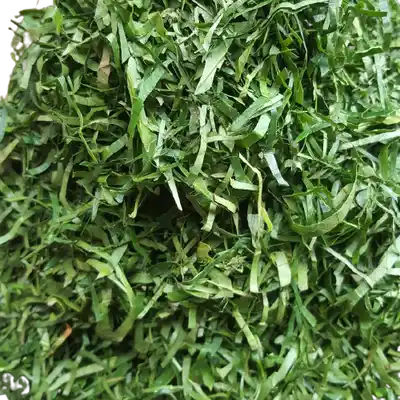
The leaves are a separate ingredient from the corm (the root part), and they’re cooked into their own dishes — usually a stew, similar to how ugu or waterleaf gets used. If a recipe says “cocoyam leaves,” it’s not talking about the root at all.
Cocoyam Fufu
Less common than cassava or yam-based fufu, but it exists — cocoyam can be pounded into its own version of fufu, with a slightly different texture and taste than the more standard cassava version. Worth knowing about, not something you’ll run into as often.
Buying Cocoyam in the US, UK, or Canada
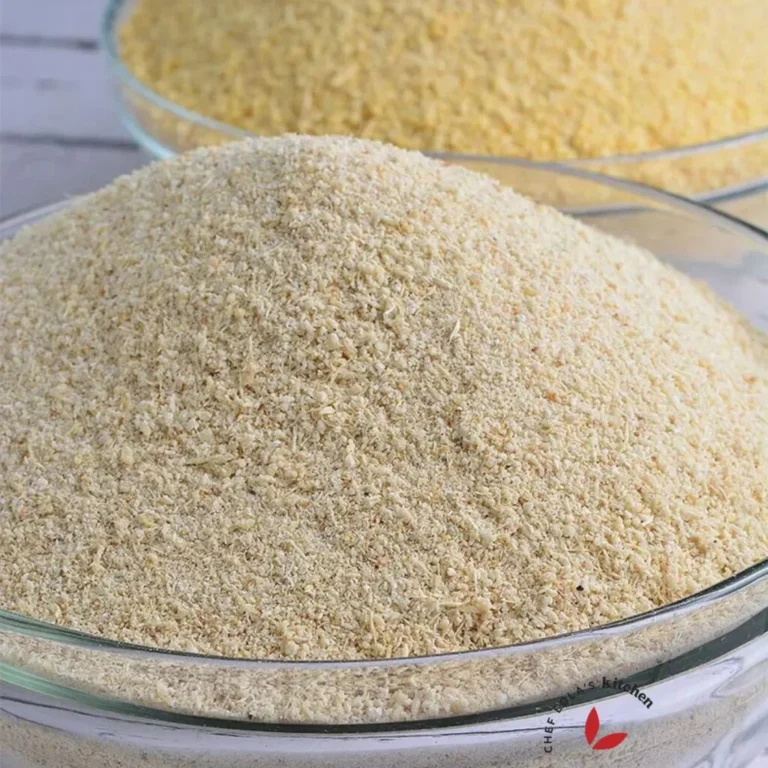
African grocery stores carry both the corm and, less consistently, the fresh leaves. If your store only has one, it’s more likely to be the corm — the leaves are a harder find, similar to afang or okazi in terms of availability. Achi or cocoyam flour, sold as a shortcut thickener, is a reasonable substitute when fresh corms aren’t available or feel like too much prep.
Frequently Asked Questions
What is cocoyam? A starchy root vegetable used mainly as a thickener in soups like oha and ofe owerri, and occasionally pounded into its own version of fufu.
Is cocoyam the same as yam? No — different plant, though they’re both starchy tubers used similarly in some dishes. They’re not interchangeable in texture or taste.
What’s the difference between cocoyam and cocoyam leaves? The corm (root) is used as a thickener. The leaves are a completely separate ingredient, cooked into their own dishes like a stew.
Can I use cocoyam flour instead of fresh cocoyam? Yes — it’s a common shortcut, especially outside Nigeria, and gets you a similar thickening effect without the prep of boiling and pounding fresh corms.
Where do you buy cocoyam outside Nigeria? African grocery stores carry the corm fairly reliably. Fresh leaves are less consistently stocked — check a well-supplied store or an online African grocery retailer if your local one doesn’t have them.