 US,
US,  UK
UK  Canada

Akara is Nigerian street food at its most iconic — crispy on the outside, soft in the middle, sold hot off the fire by roadside vendors across Nigeria, and just as loved as a breakfast staple at home. If you’re in the US, UK, or Canada and want to know exactly what it is or how to recreate it, here’s the full picture.
What Is Akara?
Akara is a deep-fried Nigerian fritter made from ground, peeled black-eyed peas, blended with onions and pepper, then fried in hot oil until golden and crisp. It’s the West African relative of dishes like acarajé in Brazil, brought over through the transatlantic slave trade and now eaten as a distinct dish across the diaspora.
The texture is what makes akara distinctive: a crisp, slightly crunchy outer shell giving way to a soft, airy, almost fluffy interior. Done right, akara should never be dense or heavy — the batter is deliberately whipped with air before frying to get that light center.
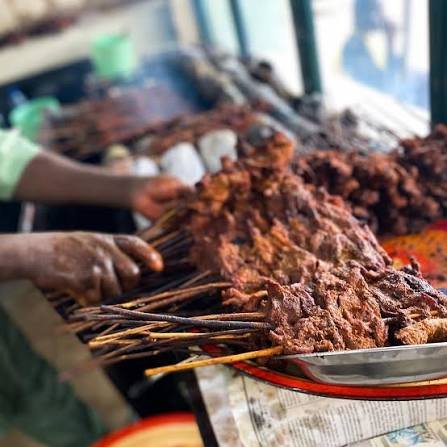
Akara is most commonly eaten as a breakfast food, though it also shows up as a snack, a party food, and a side dish at other meals. It’s sold widely by street vendors in Nigeria, usually fried fresh to order and eaten hot.
HOW TO MAKE NIGERIAN AKARA: SOFT AND FLUFFY AKARA | SISI JEMIMAH
What Is Akara Made Of?
The base ingredients are simple:
- Peeled black-eyed peas (or brown beans, depending on the household)
- Onion
- Fresh pepper (scotch bonnet or red bell pepper for less heat)
- Salt
- Vegetable oil for deep frying
That’s the traditional core. Optional additions vary by household and region — some cooks fold in ground crayfish for extra depth, chopped bell peppers or ata rodo for color and texture, or a pinch of baking soda to help the batter rise. None of these are required; the classic version is just beans, onion, pepper, and salt, whipped and fried.
Akara vs. Moi Moi: What’s the Difference?
These two are made from the exact same base ingredient — peeled black-eyed peas — which is why they’re often mentioned together. The difference is entirely in preparation:
- Akara is deep-fried, giving it a crisp exterior and a light, airy interior.
- Moi moi is steamed, giving it a firm, dense, pudding-like texture.
Same bean, two completely different dishes. Some households even make both from a single batch of ground beans, frying half as akara and steaming the other half as moi moi.
How Is Akara Made? (Overview)
At a high level, traditional akara preparation goes like this:
- Soak the black-eyed peas until the skins loosen, then peel them — removing the skins is essential for a smooth batter and light texture.
- Grind the peeled beans with onion and pepper into a thick, smooth paste, adding only a small amount of water.
- Whip the batter vigorously by hand or with a mixer, incorporating air until it becomes light and slightly fluffy — this step is what gives akara its signature airy center.
- Heat oil in a deep pot until hot but not smoking.
- Scoop spoonfuls of batter directly into the oil and fry until golden brown on all sides, turning as needed.
- Drain on paper towels and serve hot.
Want the full step-by-step with exact measurements and frying tips? See our complete akara recipe guide.
What Does Akara Taste Like?
Akara has a savory, slightly peppery flavor from the onion and pepper blended into the batter, with a mild, beany base note from the black-eyed peas themselves. The crisp fried exterior adds a light, toasted flavor that contrasts with the soft, almost custard-like interior. It’s rarely bland — the pepper content gives most versions a gentle kick, adjustable depending on how much scotch bonnet goes into the batter.
What to Eat Akara With
Akara is genuinely versatile when it comes to pairing:
- Pap (ogi/akamu) — a fermented corn porridge, the single most classic breakfast pairing. The contrast between the smooth, mild pap and the crisp, peppery akara is a defining combination in Nigerian breakfast culture.
- Bread — a quicker, more casual pairing, especially popular for a fast breakfast or snack.
- Custard or oatmeal — less traditional but common in diaspora households as an easy substitute for pap when it’s not on hand.
- Jollof rice or plain rice — served as a side rather than a breakfast food, akara adds texture and protein to a rice-based meal.
Where Does Akara Come From?
Akara originates in West Africa, most strongly associated with Yoruba cuisine in Nigeria, though it’s eaten across the wider region. It has deep historical roots: enslaved West Africans carried the dish across the Atlantic, where it evolved into acarajé, a nearly identical black-eyed pea fritter that remains a staple street food in Bahia, Brazil, today, tied closely to Afro-Brazilian Candomblé religious tradition. Akara’s spread across Nigeria, Ghana, and other parts of West Africa, alongside its Brazilian relative, makes it one of the clearer examples of a single dish surviving intact across the diaspora created by the transatlantic slave trade.
Nutritional Overview
Akara is a genuinely protein-rich dish by Nigerian breakfast standards, largely because black-eyed peas themselves are a strong plant-based protein and fiber source. A typical serving provides:
- A solid amount of plant protein from the beans, making akara more filling and nutrient-dense than many other fried snacks
- Meaningful dietary fiber, again from the beans, which is retained even after frying
- Naturally gluten-free, since no wheat or flour is used in the traditional recipe
- A higher fat content than an unfried preparation like moi moi, from the deep-frying process itself
For a lighter version, some households pan-fry smaller portions in less oil rather than deep-frying, trading some of the crisp exterior for a somewhat lower fat content — a reasonable adjustment if you’re making it a regular breakfast rather than an occasional treat.
Tips for Getting Akara Right
- Don’t rush the peeling. Skins left on the beans make the batter grainy and prevent the light, airy texture that defines good akara. Soaking the beans longer, or using pre-peeled split beans, makes this step far less tedious.
- Get your oil temperature right before you start frying. Oil that’s too cool makes akara absorb excess grease and turn dense; oil that’s too hot browns the outside before the inside cooks through. Medium-high heat, with a test spoonful dropped in first, is the safest way to check.
- Whip longer than feels necessary. The batter should visibly lighten in color and increase slightly in volume as air gets incorporated — this is the single biggest factor separating a dense, heavy akara from a properly fluffy one.
- Fry in small batches. Overcrowding the pot drops the oil temperature quickly, leading to uneven, greasy results across the batch.
Making Akara in the Diaspora vs. Back Home
- Frying at home takes practice most people don’t get back home, where akara is often bought fresh from a street vendor rather than made at home. Don’t be discouraged if your first batch isn’t as light as the version you remember — getting the whip-and-fry technique right takes a few tries.
- Black-eyed peas are genuinely easy to find abroad. Like moi moi, this is one of the more accessible Nigerian dishes to recreate, since black-eyed peas are stocked at most mainstream supermarkets in the US, UK, and Canada, not just African grocery stores.
- Peeling the beans is the step people skip, and shouldn’t. Pre-peeled, split black-eyed peas (sometimes sold as “cowpeas” without skins) are increasingly available and save real time — worth seeking out at an African grocery store if hand-peeling feels like too much effort on a weeknight.
- Pap can be harder to source than the akara itself. Fermented corn pap isn’t always stocked outside African grocery stores, so oatmeal or custard are common, accepted substitutes when it’s not available.
Finding Akara Ingredients in the USA, UK, and Canada
Black-eyed peas are widely available across all three countries — often in the regular dried beans aisle of mainstream supermarkets, not just at African grocery stores. Pre-peeled versions and ground akara flour blends (a shortcut that skips the soaking-and-peeling step entirely) are increasingly common at African grocery stores in cities with a sizable Nigerian population. (See our full guides to finding Nigerian pantry ingredients in the USA, UK, and Canada.)