 US,
US,  UK
UK  Canada
Chin Chin Recipe
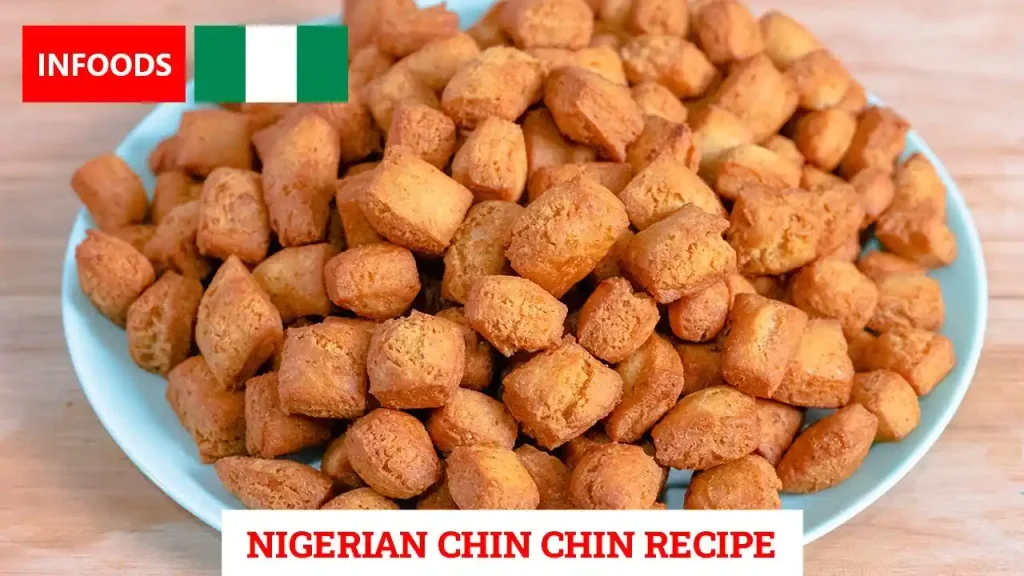
Chin chin is a crunchy, lightly sweet Nigerian snack made from fried pastry dough, cut into small squares or strips before frying. It’s a party and everyday snack in equal measure — the kind of thing that shows up in a bowl at every Nigerian gathering and disappears within the hour. Here’s the recipe, followed by fixes for the handful of mistakes that trip up almost everyone the first time they make it.
The Recipe
Makes about 6 cups
Ingredients:
- 4 cups all-purpose flour
- 1/2 cup sugar
- 1/2 cup butter or margarine, cold and cubed
- 2 large eggs
- 1/2 tsp baking powder
- 1/4 tsp salt
- 1/4 tsp nutmeg
- 1/2 cup milk (plus more as needed)
- Vegetable oil, for deep frying
HOW TO MAKE NIGERIAN CHINCHIN | CHINCHIN RECIPE | FRIED AND BAKED CHINCHIN | SISI JEMIMAH
Method:
- In a large bowl, whisk together the flour, sugar, baking powder, salt, and nutmeg.
- Rub the cold, cubed butter into the flour mixture with your fingers until it resembles coarse breadcrumbs.
- In a separate bowl, beat the eggs with the milk, then pour into the dry mixture.
- Bring the dough together, adding a little extra milk if needed, until you have a firm, slightly stiff dough — not sticky, but not dry and crumbly either.
- Knead briefly, just until smooth, then divide the dough into manageable portions.
- Roll each portion out on a floured surface to about 1/4 inch thickness.
- Cut into small squares or strips using a knife or a pastry/pizza cutter.
- Heat oil in a deep pot to medium heat — not smoking hot.
- Fry the chin chin pieces in small batches, stirring occasionally, until golden brown and crunchy all the way through, about 8–12 minutes per batch depending on size.
- Drain on paper towels and let cool completely before storing — chin chin crisps up further as it cools.
Fixing the Most Common Chin Chin Problems
| Problem | Likely cause | Fix |
|---|---|---|
| Chin chin is soft, not crunchy | Oil wasn’t hot enough, or pieces were fried too briefly | Fry at a steady medium heat for longer, in smaller batches, until genuinely golden and firm |
| Chin chin is hard as a rock | Dough was overworked/over-kneaded, or too much flour was added | Knead only until smooth, and add flour gradually rather than all at once |
| Chin chin is greasy | Oil temperature too low, so the dough absorbs oil instead of frying quickly | Test oil temperature with a small dough piece first — it should sizzle immediately on contact |
| Chin chin browns outside but stays raw inside | Oil too hot, pieces cut too large, or dough too thick | Roll dough thinner and cut smaller pieces; lower the heat slightly |
| Chin chin pieces stick together while frying | Overcrowded pot | Fry in smaller batches with room for pieces to move freely |
Soft vs. Crunchy Chin Chin: Which Is Correct?
This is a genuine, long-running debate in Nigerian households, and there isn’t one right answer. Most traditional, well-made chin chin is meant to be crunchy all the way through — that’s the texture most people expect and associate with the snack, and it’s what most recipes, including this one, are built to produce. Some regional and family recipes intentionally make a softer, more cake-like version, sometimes by using more butter, adding a touch of baking powder, or slightly reducing frying time. Both styles have their loyal defenders, and disagreements over “real” chin chin texture are common enough at Nigerian gatherings to be something of a running joke. If your chin chin comes out softer than you wanted, it’s not necessarily a failure — check the troubleshooting table above to figure out whether it’s actually a mistake (undercooked, oil not hot enough) or just landed closer to the softer style some households prefer on purpose.
Where Chin Chin Comes From
Chin chin is widely eaten across Nigeria and much of West Africa, closely related to fried pastry snacks found in Ghana and other neighboring countries under different names. In Nigeria specifically, it’s a fixture at parties, weddings, and Christmas celebrations, often made in large batches and stored for weeks, since it keeps exceptionally well compared to many other fried snacks. It’s commonly gifted in bags or containers during the holiday season, similar to how other cultures might exchange cookies or baked treats, and many households have a specific family recipe passed down through generations, with small variations in sweetness, spice, or texture that distinguish one family’s version from another’s.
Chin Chin Variations Worth Trying
- Coconut chin chin — shredded coconut worked into the dough for extra flavor and a slightly different texture.
- Spiced chin chin — a touch of cinnamon or ginger alongside the nutmeg for a warmer flavor profile.
- Peanut chin chin — crushed peanuts folded into the dough, adding crunch and a nutty flavor.
- Sugar-coated chin chin — tossing the finished, cooled chin chin lightly in powdered sugar for extra sweetness and a different finish.
Making Chin Chin in the Diaspora vs. Back Home
- Every core ingredient here is a standard supermarket item in the US, UK, and Canada — flour, butter, eggs, sugar, nutmeg. This is one of the most accessible Nigerian snacks to make consistently abroad, with zero need to track down a specialty African grocery store.
- Kitchen humidity and flour brands both affect dough texture more than people expect. If your dough feels different from what you remember, it’s often just a difference in flour absorbency between brands and countries — adjust the milk quantity slightly rather than assuming you did something wrong.
- A deep fryer or candy thermometer solves the temperature guesswork that trips up a lot of first-time diaspora cooks. If you’re used to eyeballing oil temperature from watching a parent make it, a thermometer (aiming for around 325–350°F / 165–175°C) removes the guesswork while you’re still building that intuition yourself.
How to Store Chin Chin
Chin chin keeps remarkably well compared to most fried snacks. Once fully cooled, store it in an airtight container at room temperature, where it will stay crunchy for up to two weeks. Avoid sealing it while still warm, since trapped steam will soften the texture. It does not need refrigeration and, in fact, refrigeration can make it go stale faster by introducing moisture.
Nutritional Overview
Chin chin is a fried, sugar-and-butter pastry, so it sits firmly in treat territory rather than anywhere near a health food — worth knowing given how easy it is to eat a large handful without noticing. A typical serving provides:
- A meaningful amount of fat and calories from both the butter in the dough and the frying oil it absorbs
- Some protein from the eggs and flour
- Minimal fiber or micronutrients, since it’s made from refined flour rather than a whole-grain base
If you want a slightly lighter version, reducing the sugar in the dough itself (rather than adding a sugar coating afterward) and frying at the correct temperature — so less oil is absorbed — are the two most effective adjustments without changing the recipe dramatically.