 US,
US,  UK
UK  Canada
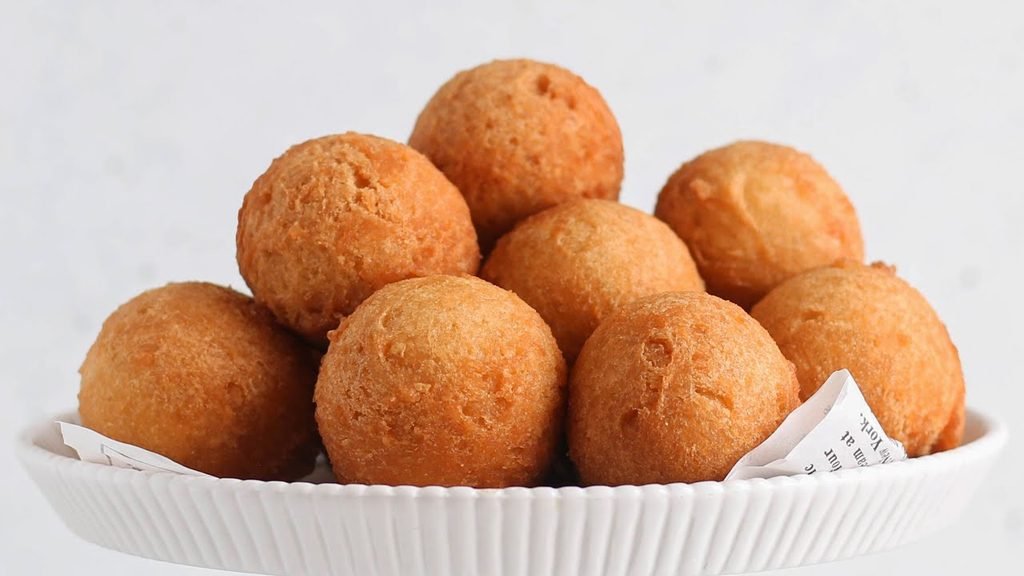
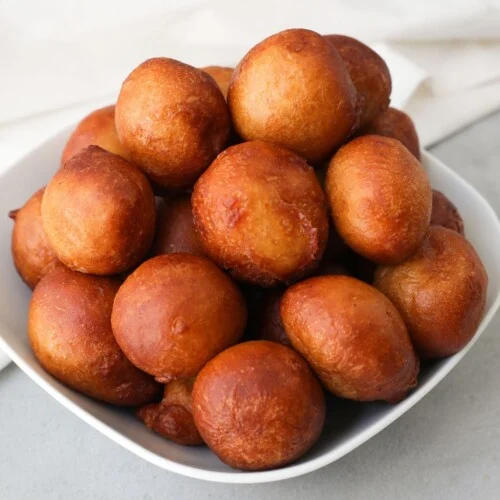
Nigerian buns get mistaken for puff puff constantly, and it’s an understandable mix-up since both are fried dough snacks sold by the same street vendors. They’re genuinely different, though, in texture, shape, and how the dough itself comes together.
What Makes Nigerian Buns Different from Puff Puff
Puff puff uses a yeasted, wet batter that’s essentially poured or scooped into hot oil, producing a light, airy, almost hollow interior. Nigerian buns use a much firmer, non-yeasted dough, closer to a stiff pancake batter than a pourable one, shaped by hand before frying rather than scooped. The result is denser and more substantial, with a texture closer to a fried doughnut hole than puff puff’s airy lightness. Buns also tend to hold their shape better and stay fresh a bit longer, which is part of why they’re a popular lunchbox and travel snack in a way puff puff, best eaten fresh and hot, generally isn’t.
How to Make Nigerian Buns | Easy Crunchy Buns Recipe!
Nigerian Buns Ingredients
Makes about 20 to 25 pieces
- 2 cups all-purpose flour
- 1/2 cup sugar
- 1 tsp baking powder
- 1/4 tsp nutmeg
- 1/4 tsp salt
- 2 eggs
- 1/2 cup milk, plus more as needed
- Vegetable oil, for frying
How to Make Nigerian Buns
- In a large bowl, whisk together the flour, sugar, baking powder, nutmeg, and salt.
- In a separate bowl, beat the eggs, then mix in the milk.
- Combine the wet and dry ingredients, mixing until you get a stiff, thick dough, not a pourable batter. Add a splash more milk only if the mixture is genuinely too dry to bring together, but keep it firm rather than loose.
- Heat oil in a deep pan or pot to medium heat. Getting the oil temperature right matters here more than with puff puff, since buns are thicker and need enough time to cook through without the outside burning first.
- Scoop small portions of dough with a spoon or your hands, shaping into rough rounds or slightly elongated pieces, and carefully drop into the hot oil.
- Fry for several minutes, turning occasionally, until deep golden brown on all sides and cooked through in the center. Because the dough is thicker than puff puff’s batter, this takes noticeably longer, so resist the urge to pull them out too early just because the outside looks done.
- Remove and drain on paper towels before serving.
Getting the Texture Right
The most common mistake is treating bun dough like puff puff batter and making it too wet. Nigerian buns depend on a firm, stiff dough to hold their shape in the oil and develop that denser, more substantial bite. If your dough is loose enough to pour, it’s closer to puff puff territory and won’t fry into the right texture. The other common issue is frying at too high a heat, which browns the outside before the thicker interior has actually cooked through, leaving a raw center under a dark crust.
Making Nigerian Buns Outside Nigeria
This is genuinely one of the easiest Nigerian snacks to make anywhere, since every single ingredient, flour, sugar, baking powder, nutmeg, eggs, milk, is a completely standard item at any regular supermarket in the US, UK, or Canada. No African grocery store trip required at all, which makes it a good starting recipe for anyone new to Nigerian cooking who wants an easy, low pressure win.
Where Nigerian Buns Fit at School and on the Street
Nigerian buns hold a specific, nostalgic place for a lot of people who grew up in Nigeria, closely associated with school snacks and street vendors selling them alongside other small chops. Their sturdiness compared to puff puff is exactly why they became a common packed lunch item, holding up in a bag for hours without going soggy or falling apart the way a more delicate fried snack might. That practical durability, more than any deep culinary tradition, is really what’s shaped their role as an everyday, reliable snack rather than something reserved for parties or special occasions.