 US,
 UK
 Canada

Nigerian scotch egg takes the British classic, a boiled egg wrapped in sausage meat and fried, and rebuilds it with Nigerian seasoning, turning it into a genuine fixture on the small chops tray at parties across the country.
What Makes the Nigerian Version Different
The core concept, a whole boiled egg wrapped in seasoned ground meat and fried until golden, stays the same as the British original. What changes is the seasoning inside the meat mixture, built with the same pepper forward, curry and thyme leaning profile that runs through so much of Nigerian cooking, rather than the milder sausage seasoning used in the traditional British version. The result carries real heat and a distinctly Nigerian flavor profile even though the technique and shape are unmistakably borrowed from the original.
Nigerian Scotch Egg Ingredients
Makes 6 scotch eggs
- 6 eggs, hard boiled and peeled
- 1 lb ground beef or a beef and pork blend
- 1 small onion, finely chopped
- 1 tsp curry powder
- 1 tsp dried thyme
- 1 scotch bonnet pepper, finely chopped, or to taste
- 1 seasoning cube
- Salt and pepper to taste
- 1 cup flour, for coating
- 2 eggs, beaten, for coating
- 1 cup breadcrumbs, for coating
- Oil, for frying
How to Make Nigerian Scotch Egg
- In a bowl, combine the ground meat, chopped onion, curry powder, thyme, chopped scotch bonnet, crumbled seasoning cube, salt, and pepper. Mix thoroughly until the seasoning is evenly distributed.
- Divide the meat mixture into 6 equal portions.
- Flatten each portion in your hand and wrap it around a peeled hard boiled egg, sealing the meat completely around the egg with no gaps or thin spots.
- Set up a coating station with flour, beaten egg, and breadcrumbs in three separate bowls.
- Roll each wrapped egg first in flour, then in beaten egg, then in breadcrumbs, pressing gently so the coating adheres evenly.
- Heat oil in a deep pan to medium heat. Fry the scotch eggs, turning occasionally, until deep golden brown on all sides and the meat is cooked through, generally 8 to 10 minutes depending on size.
- Drain on paper towels and let rest a few minutes before slicing in half to serve, which shows off the egg at the center.
Getting an Even Meat Coating
The most common issue is a meat layer that’s too thin in spots or doesn’t fully seal around the egg, which can cause it to split open during frying. Take the time to press and smooth the meat mixture evenly around the entire egg before moving to the coating station, checking for any thin patches or gaps and patching them with a bit more meat mixture before proceeding. A properly sealed egg fries evenly and holds together much better than a rushed one.
Making Nigerian Scotch Egg Outside Nigeria
This is genuinely one of the more accessible Nigerian snacks to make anywhere, since every core ingredient, ground meat, eggs, flour, breadcrumbs, curry powder, thyme, is a completely standard item at any regular supermarket across the US, UK, or Canada. Scotch bonnet pepper is the one ingredient that might require an international grocery aisle or African grocery store, though a milder chili works as a reasonable substitute if it’s not available.
A British Dish Made Genuinely Nigerian
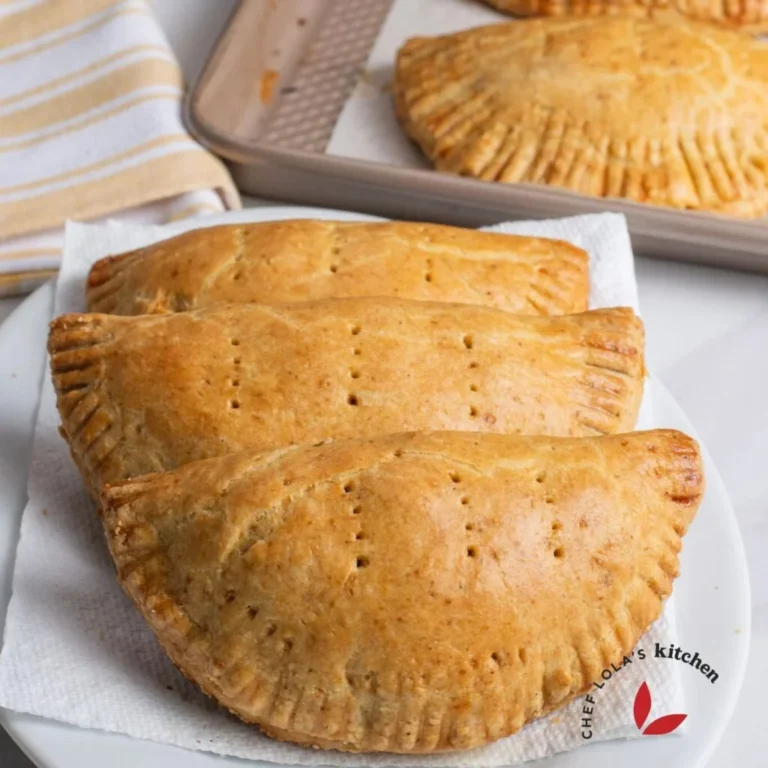
Scotch eggs arrived in Nigeria through British colonial-era food influence, similar to how curry powder and other imported spices became fixtures of Nigerian cooking despite not originating there. What makes the Nigerian version genuinely its own rather than just an imported copy is how thoroughly the seasoning was reworked to fit existing Nigerian flavor traditions, rather than simply adopting the original recipe wholesale. It’s a similar story to Nigerian meat pie, another British-rooted snack that’s been so completely absorbed into Nigerian party food culture that most people encountering it don’t think of it as a foreign import at all.
Quick Questions
What’s the difference between a regular scotch egg and a Nigerian scotch egg?
The core technique is the same, a boiled egg wrapped in seasoned meat and fried. The Nigerian version uses a pepper forward seasoning built on curry powder, thyme, and scotch bonnet, giving it real heat and a distinctly different flavor from the milder traditional British version.
Can I bake Nigerian scotch eggs instead of frying?
Yes, baking at a moderate temperature until the coating is golden and the meat is cooked through is a reasonable lower oil alternative, though the texture will be slightly less crisp than the fried version.
Why did my scotch egg split open while frying?
This usually happens when the meat layer isn’t sealed evenly around the egg. Take extra care to smooth out any thin spots or gaps before coating and frying.
Can I make these ahead of time?
Yes, they keep well in the refrigerator for a few days and can be reheated in an oven or air fryer to restore some crispness before serving.