 US,
US,  UK
UK  Canada
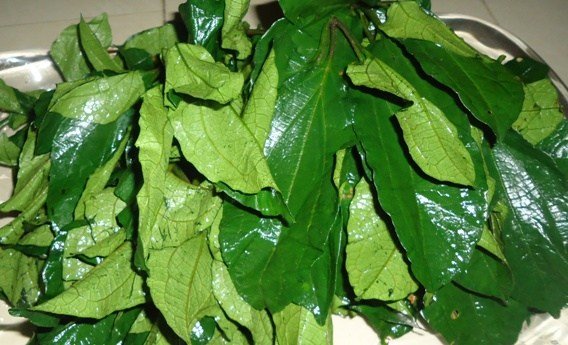
Ugu leaf , also called fluted pumpkin leaf, is one of the most widely used leafy greens in Nigerian cooking, showing up across multiple soups rather than being tied to just one dish the way some ingredients on this site are.
What Ugu Actually Is
Ugu comes from the fluted pumpkin plant, and it’s the dark green leaves that are used in cooking, not the pumpkin itself. The leaves have a mild, slightly grassy flavor and a texture that holds up reasonably well to cooking without turning to mush too quickly, which is part of why it’s such a versatile addition across different soups. It’s genuinely one of the most nutrient dense greens in regular use in Nigerian cooking, commonly cited for its iron and vitamin content.
Which Dishes Use Ugu
Ugu is a core ingredient in efo riro, where it’s stirred into the tomato and pepper base as one of the primary vegetables. It’s equally central to edikaikong soup, where it’s combined with waterleaf in genuinely large quantities. Beyond these two, it shows up in smaller amounts across various other soups as a general purpose leafy green, similar to how spinach might function as a flexible addition across multiple dishes in another cuisine.
How to Prepare Ugu
Ugu leaves are typically washed thoroughly, then chopped or shredded before cooking, either finely for a smoother soup texture or more roughly if you prefer some bite remaining. Unlike bitter leaf, ugu doesn’t require any special washing process to reduce bitterness, since it isn’t a bitter green to begin with. It’s usually added toward the later stages of cooking, similar to most leafy greens, so it wilts down without overcooking into mush.
Ugu vs Spinach: A Common Substitution
Spinach is the most commonly used substitute when fresh ugu isn’t available, and it’s a genuinely reasonable swap, both are mild, leafy greens that wilt similarly when cooked. The flavor isn’t identical, ugu has a slightly more vegetal, grassy character that spinach doesn’t fully replicate, but the substitution works well enough that many diaspora households use spinach as their default rather than treating it as a compromise.
Finding Ugu in the USA, UK, and Canada
Fresh ugu can be inconsistent to find even at African grocery stores, since it’s a delicate leafy green that doesn’t travel or store as well as sturdier vegetables. Frozen ugu is increasingly common and a genuinely reliable alternative when fresh isn’t available. Our Where to Buy guides cover country specific sourcing if you want to track down the fresh version specifically.
Why Ugu Shows Up So Often
Part of ugu’s popularity comes down to genuine versatility rather than any single dish being responsible for its prominence. Unlike an ingredient tied specifically to one regional cuisine, ugu is used across Yoruba, Igbo, and other Nigerian culinary traditions, which is part of why it carries real, consistent search demand rather than being a niche regional ingredient. It’s also relatively fast growing and widely cultivated across Nigeria, making it an accessible, everyday vegetable rather than something reserved for special dishes, closer in role to how a staple green like collards or kale functions in other cuisines, present in a wide range of everyday cooking rather than being a specialty item.
Quick Questions
What is ugu leaf used for? It’s a core leafy green in Nigerian cooking, most closely associated with efo riro and edikaikong soup, and used more broadly across other soups as a general purpose vegetable addition.
Is ugu the same as pumpkin leaves? Yes, ugu specifically refers to fluted pumpkin leaves, distinct from the pumpkin fruit itself.
Can I use spinach instead of ugu? Yes, it’s the most common substitute and works reasonably well, though the flavor differs slightly, ugu has a more grassy, vegetal character than spinach.
Is ugu healthy? Yes, it’s commonly cited as one of the more nutrient dense greens in regular Nigerian cooking, particularly for iron and vitamin content.