 US,
US,  UK
UK  Canada
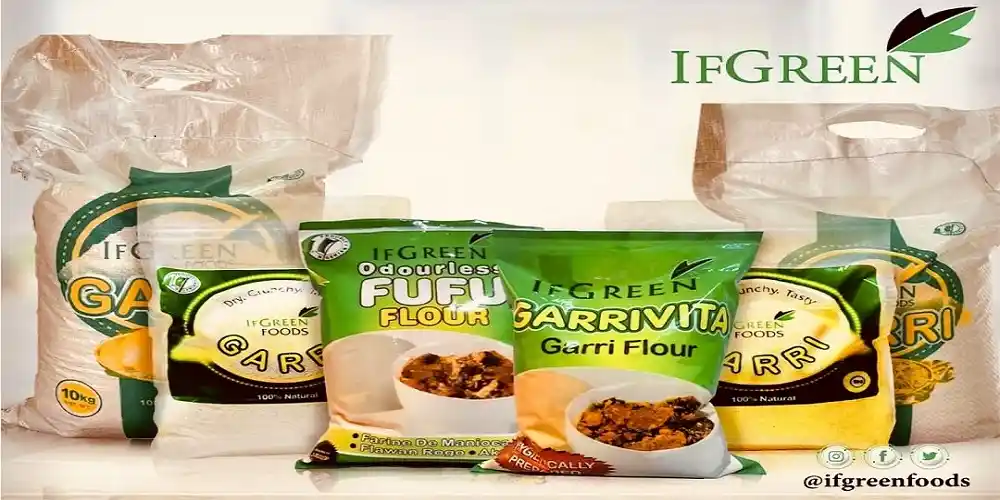
Nigerian food has gone global. Across the USA, UK and Canada, Nigerians abroad are turning family recipes into businesses. They sell suya spice, pepper soup mix, chin chin, plantain chips, zobo, ogi and ground crayfish through African grocery stores, online shops, farmers’ markets and social media.
At the same time, more processors in Nigeria are exporting packaged foodstuff to diaspora communities overseas.
Whichever group you belong to, packaging decides whether your product succeeds. In these markets, packaging must do three things well:
- keep food safe through cold winters, long shipping times and store shelves;
- meet strict labelling laws that differ from NAFDAC rules;
- appeal to fellow Nigerians and to curious non-African shoppers at the same time.
This guide shows you how.
Why Packaging Matters More Abroad
Back home, many customers buy foodstuff loose from the market. In the USA, UK and Canada, shoppers expect sealed, clearly labelled, professional packaging. Retailers and online marketplaces expect it too.
Good packaging helps you:
- Get stocked in African grocery stores, international aisles and mainstream supermarkets.
- Pass inspections by food safety authorities.
- Avoid seized shipments if you import from Nigeria.
- Charge premium prices that reflect the quality of your product.
- Reach non-Nigerian buyers who want to try jollof seasoning or suya but don’t know where to start.
Choosing the Right Packaging Material
Your packaging must suit both the product and the journey. Products imported from Nigeria may spend weeks in transit. Products made locally may sit in cold storage or be shipped across the country to online customers.
| Product type | Examples | Recommended packaging |
|---|---|---|
| Flours and swallows | Garri, elubo, pounded yam flour, semolina | Laminated or foil-lined stand-up pouches, resealable bags |
| Spices and seasonings | Suya spice, pepper soup mix, jollof seasoning | Foil-lined zip pouches, glass or PET jars with shaker lids |
| Snacks | Chin chin, plantain chips, kuli kuli | Metallised, nitrogen-flushed pouches |
| Oils | Palm oil, groundnut oil | Leak-proof PET or HDPE bottles with tamper-evident caps |
| Sauces and pastes | Pepper sauce, ata din din, ofada sauce | Glass jars (processed correctly), food-grade tubs |
| Drinks | Zobo, kunu, tiger nut drink | PET or glass bottles, kept refrigerated unless shelf-stable |
| Dried fish and crayfish | Stockfish, smoked fish, ground crayfish | Vacuum-sealed bags with an outer carton |
Tip: Buy materials certified as food-contact safe in your country. Reputable suppliers can confirm this, often with FDA-compliant or EU/UK food-contact documentation.
Food Labelling Requirements by Country
This is where many new Nigerian food brands get into trouble. Each country has its own rules, and a NAFDAC-compliant label from Nigeria is not automatically legal abroad. Always confirm current requirements with the relevant authority before printing.
USA (FDA)
Packaged food sold in the US generally needs:
- A statement of identity: the common name of the food, for example “Pepper Soup Spice Blend.”
- Net quantity in both US customary units (oz) and metric units (g).
- An ingredient list in descending order by weight.
- An allergen declaration covering the nine major allergens: milk, eggs, fish, crustacean shellfish, tree nuts, peanuts, wheat, soybeans and sesame. This matters for Nigerian foods, because groundnuts (peanuts) appear in kuli kuli and suya spice, and crayfish is a crustacean.
- The name and address of the manufacturer, packer or distributor.
- A Nutrition Facts panel. Some small businesses qualify for an exemption, so check the FDA’s small business rules.
Selling from home: Many US states have “cottage food” laws. These allow home-made, low-risk foods such as dry spice blends and baked snacks like chin chin to be sold with simpler labels. Rules differ widely by state, and foods containing meat, fish or dairy are usually excluded.
UK (Food Standards Agency)
Prepacked food in the UK must generally show:
- the name of the food;
- an ingredient list with the 14 major allergens emphasised, for example in bold;
- the net quantity in metric units;
- a “best before” or “use by” date;
- storage conditions and instructions for use where needed;
- the name and a UK address of the food business;
- the country of origin where required;
- a nutrition declaration, unless an exemption applies.
Before you start: Register your food business with your local council at least 28 days before trading, even if you work from home.
Canada (CFIA)
Canadian labels have some unique requirements:
- Bilingual labelling in English and French, with limited exemptions.
- The common name, net quantity in metric units, and an ingredient list.
- Declaration of priority allergens, including peanuts, sesame, mustard, fish, crustaceans, wheat, soy, milk, eggs, tree nuts and sulphites.
- The name and principal place of business of the responsible dealer.
- A best-before date for foods with a shelf life of 90 days or less.
- A Nutrition Facts table.
- A front-of-package “High in” nutrition symbol for many foods high in saturated fat, sugars or sodium. This became mandatory from January 1, 2026.
Licensing: Importers, and businesses selling food across provincial borders, generally need a Safe Food for Canadians (SFC) licence. Local sales are governed by provincial and municipal rules.
Importing Packaged Food From Nigeria
If you bring products in from Nigeria to sell, packaging and paperwork must work together.
- Register and notify. In the US, foreign food facilities must register with the FDA and shipments need prior notice. In Canada, importers need an SFC licence. The UK has its own import controls.
- Relabel if needed. Nigerian labels often need a compliant overseas label, or an overlay sticker, before sale.
- Watch high-risk products. Some Nigerian foodstuffs, including dried beans, melon seeds (egusi), sesame and groundnuts, have faced import rejections abroad over pesticide residues or aflatoxins. Buy from processors who test their products.
- Know what’s prohibited. Bushmeat, many meat products and certain animal products are banned or heavily restricted.
- Pack for the journey. Use strong moisture barriers, sealed inner bags and sturdy outer cartons for sea or air freight.
Designing Packaging That Sells Abroad
Your customers include Nigerians who miss home and non-Nigerians discovering West African food for the first time. Design for both.
- Use familiar names with explanations. For example, “Egusi (Ground Melon Seeds)” or “Ogbono (Wild Mango Seeds).”
- Add a simple recipe or serving idea on the back. This helps new customers and encourages repeat buying.
- Celebrate your heritage. Nigerian colours, patterns and stories connect with diaspora buyers and help you stand out in mainstream stores.
- Highlight quality claims you can prove, such as “stone-free,” “no added preservatives” or “made in small batches.”
- Include a website, QR code and social handles so customers can reorder online.
- Choose shelf-friendly formats. Stand-up pouches and jars display better than flat nylon bags.
Keeping Packaging Costs Under Control
- Start small with digitally printed pouches. Many online packaging printers accept low minimum orders.
- Use a generic branded pouch with product stickers until your volumes grow.
- Standardise pack sizes across your range to buy in larger quantities.
- Factor in shipping weight. Glass is premium but heavy, and it raises delivery costs for online orders.
- Order packaging and labels together once your label has been checked for compliance, to avoid costly reprints.
Common Mistakes Nigerian Food Brands Make Abroad
- Selling products with Nigerian-only labels that don’t meet local rules
- Forgetting to declare peanuts, sesame or crustaceans (crayfish) as allergens
- Missing French text on products sold in Canada
- Showing net weight in only one unit in the US
- Making health claims like “cures ulcer” or “boosts immunity”
- Selling home-made foods that aren’t allowed under local cottage food or council rules
- Poor sealing that lets stock go stale, especially for chips and chin chin
Conclusion
Selling Nigerian food in the USA, UK and Canada is a real opportunity, but only with the right packaging. Choose food-safe materials that survive the journey, follow the labelling rules for each country, and design packaging that speaks to Nigerians abroad and new customers alike.
Quality packaging works best with quality products. Find trusted suppliers and stockists in our [directory of Nigerian and African grocery stores in the USA, UK and Canada], and read our guide on [how to store Nigerian foodstuff properly] to keep your products fresh.