 US,
US,  UK
UK  Canada
Zobo
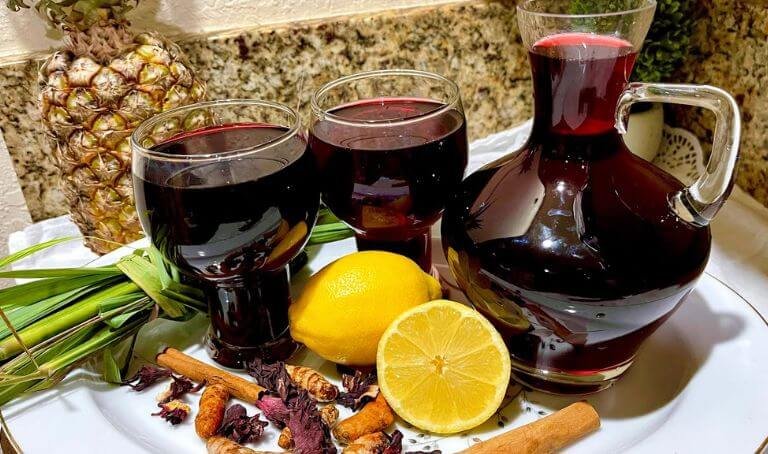
What is zobo?
Zobo is a deep red Nigerian drink made by steeping dried hibiscus leaves (calyces) in water, sweetened and spiced to taste. It’s served cold, usually over ice, and is one of the most common non-alcoholic drinks at Nigerian parties, alongside chapman and soft drinks. The name “zobo” refers specifically to the Nigerian preparation, though the base ingredient — dried hibiscus — is the same plant used to make hibiscus tea in many other cuisines, sometimes labeled sorrel in Caribbean cooking.
What are zobo leaves?
Zobo leaves are the dried calyces (the petal-like part surrounding the base of the flower) of the roselle hibiscus plant, not leaves in the literal botanical sense despite the common name. They’re deep red to purple in color when dried, and it’s this part of the plant that gives zobo its distinctive color and tart flavor once steeped. Fresh hibiscus calyces are used in some regions, but dried zobo leaves are by far the more common and practical version, both in Nigeria and especially in the diaspora, since they store well and travel easily.
HOW TO MAKE A HEALTHY ZOBO DRINK – ZEELICIOUS FOODS
What is zobo made of?
Serves 6–8
- 2 cups dried zobo (hibiscus) leaves, rinsed
- 8 cups water
- 1–2 inches fresh ginger, sliced or grated
- 2–3 cloves
- 1 cinnamon stick, optional
- Sugar or honey, to taste
- Pineapple chunks or pineapple juice, optional, for sweetness and flavor
- Fresh mint leaves, optional, for garnish
Some recipes also include a small piece of cucumber added during steeping for a lighter, more refreshing finish, or a splash of orange or apple juice for extra sweetness without relying entirely on sugar.
How do you make zobo?
- Rinse the dried zobo leaves thoroughly to remove any dust or debris.
- Combine the zobo leaves, water, ginger, and cloves (and cinnamon stick, if using) in a large pot.
- Bring to a boil, then reduce heat and simmer for 20–30 minutes, until the water turns a deep red color and the flavor has fully infused.
- Remove from heat and let it cool slightly.
- Strain out the leaves and spices, keeping only the liquid.
- Sweeten to taste with sugar or honey while the liquid is still warm, so it dissolves easily.
- Add pineapple chunks or juice if using, for extra flavor and natural sweetness.
- Refrigerate until fully chilled, then serve over ice, garnished with fresh mint if desired.
What does zobo taste like?
Zobo has a tart, slightly sour base flavor from the hibiscus, similar in direction to cranberry juice, layered with warm spice notes from the ginger and cloves. The sweetness is fully adjustable depending on how much sugar or pineapple is added, ranging from a sharp, tangy drink to a much sweeter, more dessert-like version. It’s typically served very cold, which is part of what makes it such a popular drink at parties and warm-weather gatherings.
Does zobo have health benefits?
Hibiscus, the base ingredient in zobo, has been studied for a few potential health properties, most commonly related to modest blood pressure support and its antioxidant content — hibiscus calyces are naturally rich in anthocyanins, the same class of antioxidant compounds found in berries and other deeply pigmented fruits, which give zobo both its color and much of its studied nutritional interest. Some people in Nigeria and the diaspora drink zobo specifically for these perceived benefits, alongside simply enjoying it as a refreshing drink. That said, the sugar content in a typical sweetened glass of zobo can be significant, which offsets some of the potential upside if it’s being treated as a health drink rather than a treat — worth keeping in mind if you’re drinking it regularly rather than occasionally, and worth reducing the added sugar, or leaning more on pineapple and fruit for sweetness, if health benefits are your main goal. As with any herbal drink, it’s also worth checking with a doctor before drinking zobo regularly if you’re on blood pressure medication, since hibiscus’s effects on blood pressure are exactly why some people drink it in the first place.
Is zobo the same as hibiscus tea?
They come from the same plant, but the preparations differ. Hibiscus tea, as commonly sold in Western grocery stores, is typically served hot or at room temperature, often without much added sweetener or spice. Zobo is specifically the Nigerian cold preparation, usually spiced with ginger and cloves and sweetened more generously, then served over ice. If a recipe or product simply says “hibiscus tea” with no other context, it’s likely close in ingredients to zobo but different in how it’s traditionally prepared and served.
Where does zobo come from?
The roselle hibiscus plant used to make zobo is native to West Africa, and the drink itself has become one of the most widely recognized non-alcoholic Nigerian beverages, served everywhere from street vendors to formal parties and weddings. It’s especially popular during warmer months and festive occasions, often prepared in large batches for gatherings where it’s served alongside other drinks like chapman or soft drinks as a non-alcoholic option, and it’s common to see it served at Nigerian weddings, birthdays, and church events specifically because it appeals to guests of all ages who might not drink alcohol. Beyond Nigeria, closely related hibiscus drinks are made across West Africa and beyond — bissap in Senegal and other Francophone West African countries, sobolo in Ghana, and sorrel across parts of the Caribbean and Latin America — all drawing on the same core ingredient with regional variations in spicing and sweetness, which is part of why the ingredient itself travels so well and shows up under so many different names on grocery shelves outside Africa.
Common zobo variations
While the ginger-and-clove version described above is the most traditional, zobo has plenty of regional and personal variations worth knowing about:
- Zobo with fruit — pineapple is the most common addition, but some versions include chopped apple, orange slices, or watermelon for extra natural sweetness and flavor complexity.
- Spiced zobo — beyond ginger and cloves, some recipes add cinnamon, nutmeg, or even a small amount of cayenne pepper for a subtle kick against the tartness.
- Zobo with coconut water — a lighter, less sugar-dependent variation that’s become more popular in health-conscious households, using coconut water in place of some or all of the added sugar.
- Sparkling zobo — mixing the finished drink with sparkling water or soda water for a fizzier, more refreshing version, popular for parties and warm-weather gatherings.
Making zobo in the diaspora vs. back home
Dried zobo leaves are one of the easier Nigerian ingredients to source abroad, since dried hibiscus is also sold under other names — sorrel in Caribbean and Latin American grocery stores, and hibiscus flower or Jamaica flower in health food stores and some mainstream supermarkets. If your local African grocery store doesn’t stock zobo leaves specifically, checking the Caribbean or Latin American aisle, or a store’s herbal tea section, is a legitimate way to find the same ingredient under a different label. Fresh ginger and cloves are universally available, so the rest of the recipe requires no substitution at all — zobo is genuinely one of the more accessible Nigerian drinks to recreate consistently, wherever you’re living.
Where can you buy zobo leaves?
Dried zobo (hibiscus) leaves are widely stocked at African grocery stores across major cities in the US, UK, and Canada, and increasingly available through online African grocery retailers shipping nationwide. (See our directory of African grocery stores by city to find one near you.)