

Find Authentic Nigerian Foodstuff in the USA, UK & Canada
Find African grocery stores, suppliers, recipes, ingredients and import/export guides for the USA, UK, Canada and beyond
WHO WE ARE
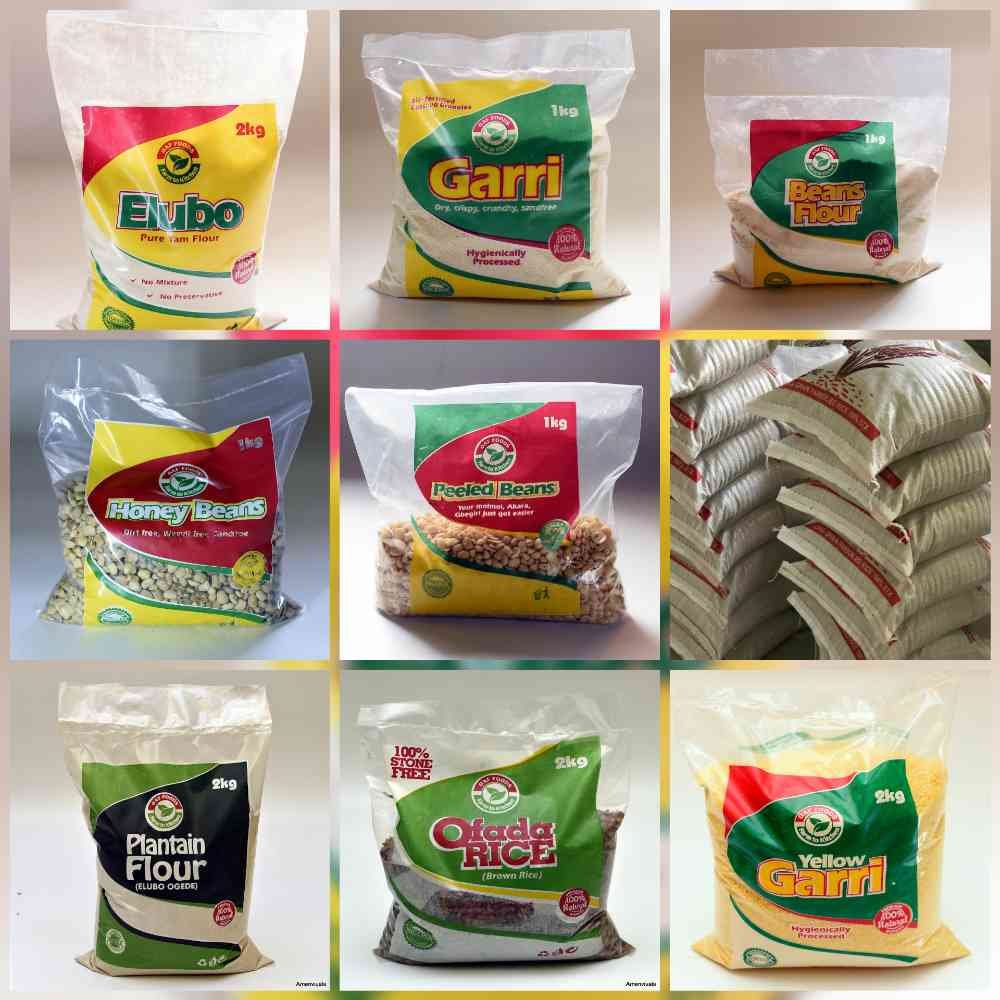
Nigerianfoodsuppliers.com is a trusted resource for Nigerians and Africans living in the USA, UK and Canada who want easier access to authentic Nigerian foodstuff, grocery stores, suppliers and practical food guides. Our platform helps users discover where to buy Nigerian ingredients such as egusi, ogbono, garri, stockfish, crayfish, palm oil, yam flour, bitter leaf, ugu and other traditional foods abroad.
Beyond food shopping, NigerianFoodSuppliers.com also provides Nigerian recipes, ingredient substitutes, cooking guides, supplier information and import and export resources for individuals and businesses. Our goal is to connect the Nigerian diaspora with the foods, flavours and suppliers they trust while helping exporters, wholesalers and food businesses reach international buyers. Wherever you live, we help make authentic Nigerian food easier to find, cook, buy and source.
Find Nigerian Food by Country
Explore stores, suppliers and buying guide in major countries

Nigerian Food in USA
Stores. Online Shops. Buying Guides

Nigerian Food in UK
Stores. Online Shops. Buying Guides

Nigerian Food in Canada
Stores. Online Shops. Buying Guides
Popular Nigerian Ingredients
Discover ingredients, where to buy them, and how to use them

Egusi

Garri

Stockfish

Crayfish

Ogbono

Ugu Leaf
Why Choose Us?
Your trusted guide to finding authentic Nigerian food, ingredients, grocery stores and suppliers across the US, UK and Canada
Discover Nigerian grocery stores, African supermarkets, online shops and suppliers offering authentic foodstuff such as egusi, ogbono, garri, stockfish, crayfish, palm oil and more
Our guides are specifically created for Nigerians and Africans living abroad, helping you find Nigerian food in major cities across the United States, United Kingdom and Canada.
Explore Nigerian ingredients, authentic recipes and practical ingredient substitutes when traditional food items are difficult to find in your local supermarket.
Find Nigerian food suppliers, wholesalers and exporters while accessing useful guides on food sourcing, packaging, shipping, import requirements and international trade.

Ingredients
Not sure what's in your favorite Nigerian dish? Our ingredient guides break down everything from what is fufu and what is cassava flour to what is garri and what is moi moi — what each one is, how it's traditionally made, and how to use it, whether you're cooking from memory or trying something for the first time.
Recipes
Craving a taste of home? Our step-by-step Nigerian recipes cover everything from an easy akara recipe and moi moi recipe to a full jollof rice recipe, written for real kitchens in the US, UK, and Canada — with substitutions built in for ingredients that aren't always easy to find.
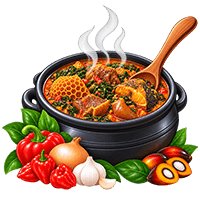
Nigerian Soups
No Nigerian meal is complete without a good soup. Learn how to make authentic egusi soup, ogbono soup, efo riro, and banga soup, each one paired with the swallow it's traditionally eaten with — fufu, pounded yam, or garri.
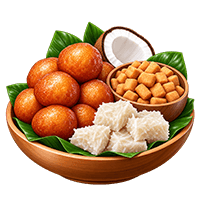
Nigerian Desserts
From party favorites to everyday treats, explore Nigerian snacks and drinks including puff puff, chin chin, zobo, and palm wine — what each one is, how it's made, and what makes it a staple at Nigerian gatherings.
Where to Buy
Can't find what you need at your regular grocery store? Our where-to-buy guides show you exactly where to buy cassava flour, how to buy palm oil, and where to find zobo leaves and other Nigerian pantry staples near you in the USA, UK, and Canada.

Shipping Guide
Sending food, gifts, or goods home? Our shipping guide covers everything about shipping to Nigeria — from shipping containers and door-to-door options to comparing courier costs from the US, UK, and Canada.
Food Processing & Packaging
Cooking or selling at scale? Explore equipment and packaging built for Nigerian food production, including the fufu machine, pounded yam machine, and packaging solutions for plantain chips and other packaged snacks.
Ingredient Substitutes
Missing an ingredient? Our substitute guides help you cook with what you have on hand, covering swaps like a cassava flour substitute, red palm oil substitute, and alternatives for bitter leaf, suya spice, and more.
Explore Our Sections
Everything you need about Nigerian food in one place
Nigerian Food Suppliers
Find verified suppliers, wholesalers and exporters
Import & Export Guides
Find verified suppliers, wholesalers and exporters
Nigerian Recipes
Step-by-step recipes for your favorite Nigerian dishes
Ingredients Substitutes
Find the best substitutes for Nigerian ingredients abroad
TESTIMONIALS
What Our Community Says?
Real stories from Nigerians around the world who have found authentic Nigerian food, trusted grocery stores, useful ingredient guides, recipes and practical information through NigerianFoodSuppliers.com
NigerianFoodSuppliers.com made it much easier for me to find a Nigerian grocery store near me in Houston. I was able to locate where to buy egusi, palm oil and stockfish without searching through several websites. It is a very useful resource for Nigerians living abroad

I really like the Nigerian ingredient guides and substitute recommendations. When I couldn’t find fresh ugu, the website helped me understand the best alternatives available in the UK. The cooking information was also very helpful. A great resource for Nigerians abroad.

As a busy mum in Toronto, I don’t always have time to search everywhere for Nigerian ingredients. NigerianFoodSuppliers.com helped me discover African grocery stores in my city and useful cooking guides. It makes preparing my family’s favourite Nigerian meals much easier
I run a small African food business and found the import, export and supplier information very useful. The website is well organized and makes it easier to understand where to find Nigerian food suppliers, wholesalers and practical food trade information
- September 23, 2026
- 6 mins read
- September 23, 2026
- 7 mins read
- September 17, 2026
- 5 mins read
- September 17, 2026
- 4 mins read
Frequently Asked Questions About Nigerian Food in the USA, UK & Canada
It can be, but heat is almost always adjustable. Most recipes get their spice from scotch bonnet pepper, and the amount is entirely up to you — reduce it for a milder dish without losing the core flavor.
Check our African Grocery Stores directory for a city-by-city list, or our Where to Buy guide for specific ingredients if you already know what you’re looking for.
See our full Shipping Guide for door-to-door, barrel, and freight options from the US, UK, and Canada.
It depends on the item — dried and shelf-stable goods (garri, crayfish powder, dried pepper) are generally easier to bring through customs than fresh produce, meat, or dairy, which are commonly restricted or require declaration. Rules vary by country and change over time, so always check your destination country’s current customs guidance directly before traveling rather than relying on general advice.
It varies by dish, the same as any cuisine — soups built around vegetables and lean protein (like ewedu or okra soup) are lighter, while richer, oil-heavy dishes are more indulgent. See the “Nutritional Overview” section in each of our recipe guides for specifics.
Nigerian jollof typically uses long-grain parboiled rice and leans spicier and smokier; Ghanaian jollof often uses jasmine or basmati rice with a more aromatic profile. Full breakdown in our Jollof Rice guide.
Fufu is a soft, stretchy staple made from cassava (or yam, for pounded yam), torn into pieces and used to scoop up soup rather than eaten with a spoon. Full guide here.
Specialty ingredients like stockfish, dried fish, and certain spices need to be imported, which adds real cost compared to buying them locally in Nigeria. Prices also vary a lot by store and country — our Where to Buy guides can help you compare options.
Most Nigerian soups and stews keep 4–5 days refrigerated and freeze well for 2–3 months — many people say they taste even better the next day. Specific storage notes are included in each recipe.
Jollof rice and suya are usually the easiest entry points — familiar flavors, widely loved even outside Nigerian households. From there, egusi soup with fufu is a great next step into the deeper end of the cuisine.
Yes, in many cities — check our Where to Buy guides for country-specific online African grocery retailers that ship nationwide.
Start with the basics: fufu or cassava flour, garri, palm oil, crayfish, curry powder, and a few seasoning cubes. Our Where to Buy guide covers all 28 ingredients referenced across our recipes in one place.